

Commodities tokenization
Digital investment opportunities
Commodity investing often involves high entry barriers, custody challenges, and limited access for smaller investors. At Brickken, we enable the tokenization of rights linked to physical commodities or their market value. Our platform improves traceability, simplifies investor onboarding, and creates compliant access to commodities-backed investment products.

Trusted by global innovators


%20(1).webp)






.webp)
.webp)


What is commodities tokenization?
Commodities tokenization involves creating blockchain-based tokens that represent ownership or rights to tradeable raw materials, such as:
Tokens can be fully backed by physical assets held in custody or mirror commodities price exposure via smart contracts. Some models enable physical redemption, while others are built purely for trading or collateral purposes.
Benefits of commodities tokenization

24/7 global access
Trade commodities-backed assets anytime, anywhere. Remove the constraints of traditional market hours.

Fractional ownership
Buy small shares of high-value commodities like gold or oil. Lower the entry barrier for everyday investors.

On-chain settlement
Settle trades instantly with blockchain infrastructure. Reduce counterparty risk and clearing delays.

Redeemability & custody transparency
Link tokens to physical reserves held in secure vaults. Build trust through audited proof-of-reserve.

Real-Time price exposure
Track and trade commodities with up-to-date market data. Let investors hedge or diversify portfolios with ease.
The Brickken platform: An end-to-end solution for digital assets management
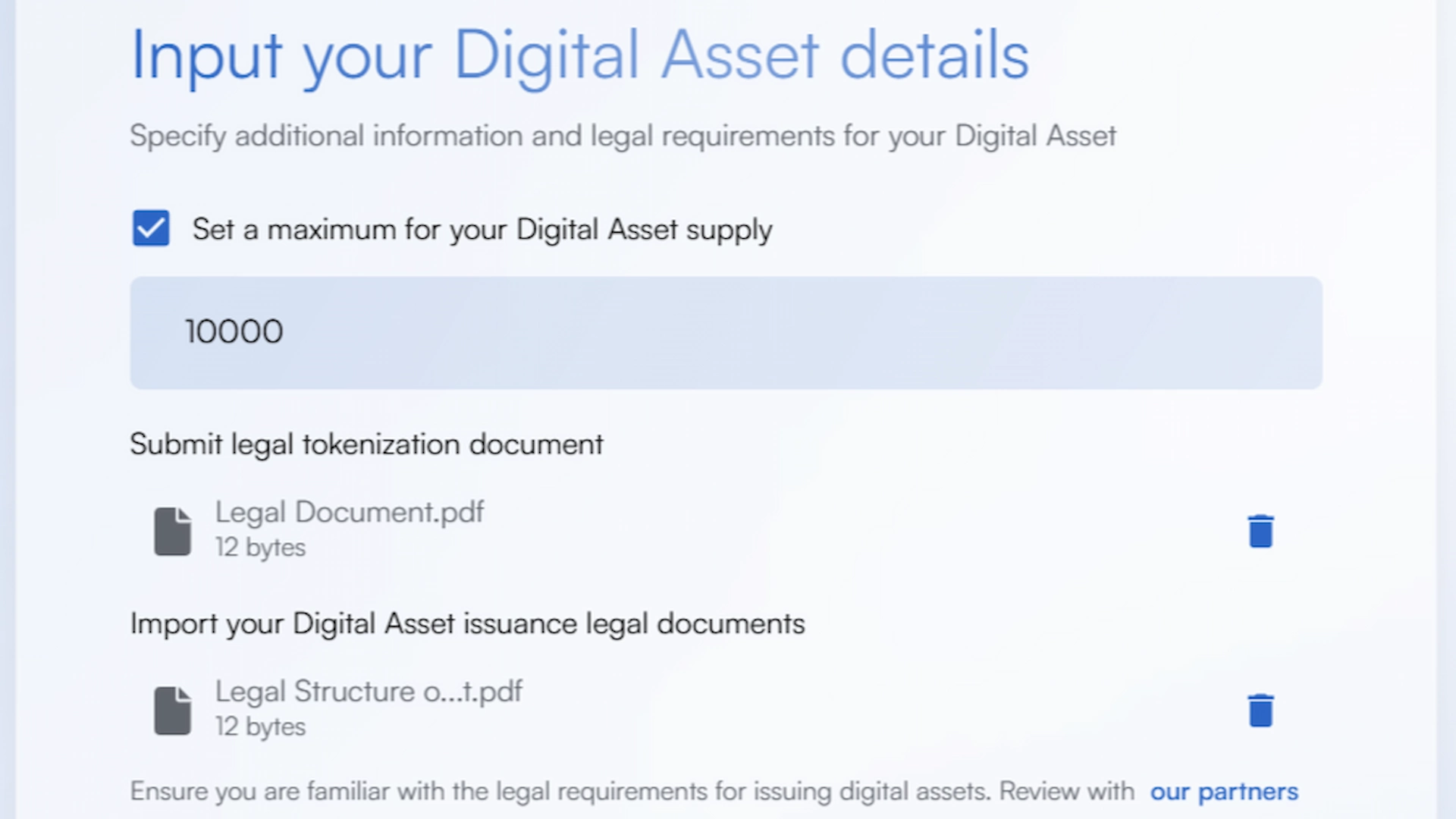
Legal structuring
Establish the legal foundation of your project. Define the structure and prepare all required documentation to ensure compliance and transparency.
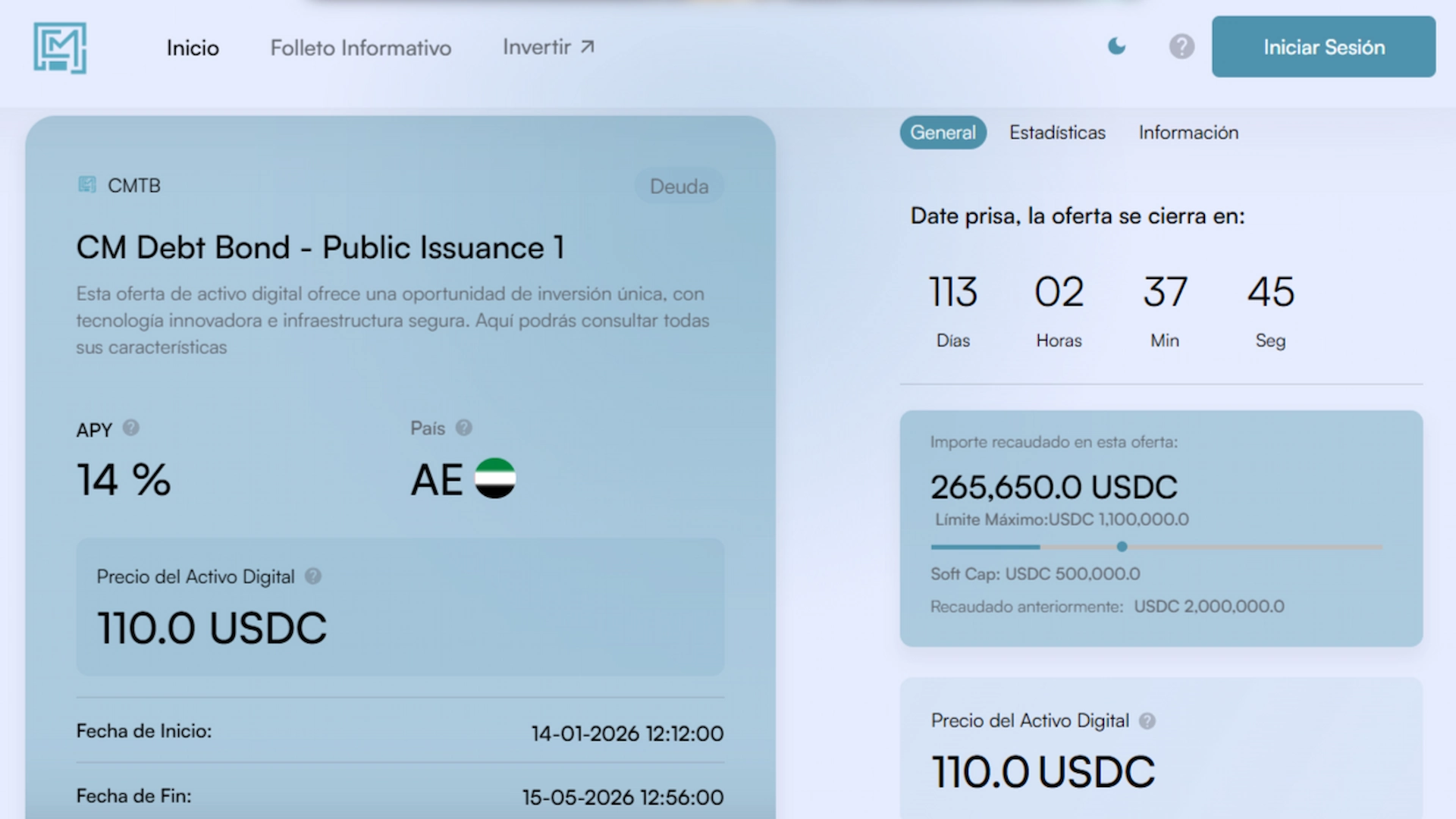
Digital asset store setup
Create your investor portal the central hub where your tokenized assets will be displayed and accessed. Define your project’s identity and configure the environment investors will interact with.
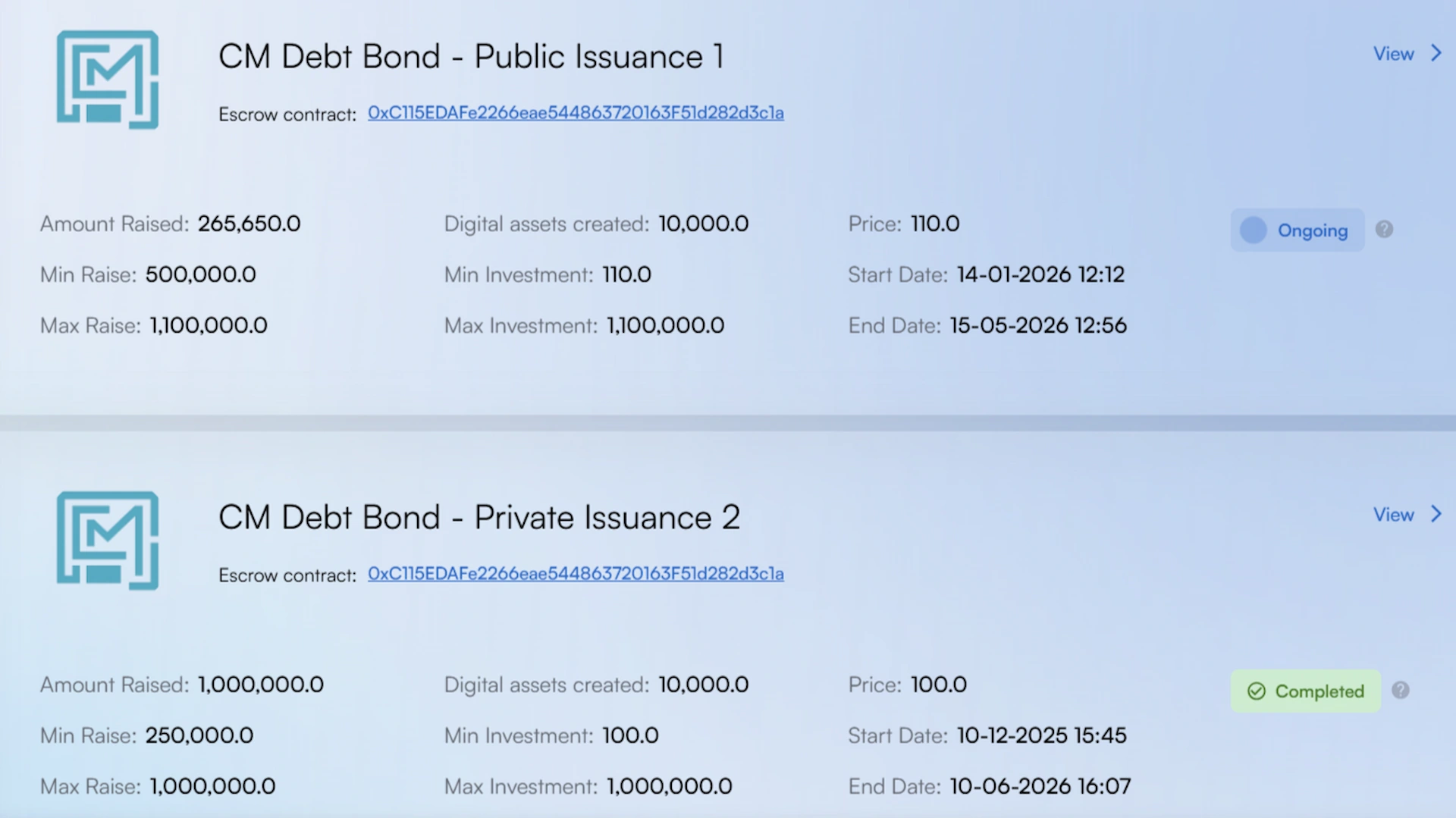
Offering launch
Set the terms for your initial token offering. With the store and visuals in place, configure the funding round and get ready for investor onboardin
Use Cases
Commodities tokenization
Tokenized Gold with Physical Redemption
A fintech firm offers gold-backed tokens where each token equals 1 gram of vaulted gold.
Gold is stored in audited, insured vaults.
Users buy tokens (e.g., G-Coin) that can be redeemed for physical delivery.
Tokens are tradable on digital exchanges and used for payments or savings.
Combines gold’s stability with the speed and flexibility of digital assets.
Fractional Silver Investment for Retail Investors
A platform tokenizes bulk silver bars into micro-investment units.
1kg bars are divided into 1,000 tokens.Small investors buy tokens to diversify their portfolios.Tokens can be traded or used as collateral within DeFi applications.
Makes physical silver accessible to everyday investors while enabling liquidity.
Oil-backed trade tokens for B2B settlement
An energy firm issues tokens backed by oil inventory for use in global supply chain payments.
Tokens represent barrels of oil in storage.
Suppliers accept tokens as payment, redeemable or tradable on-chain.
Smart contracts automate volume-based discounts and delivery schedules.
Enables faster, programmable settlement in commodities-heavy trade operations.
Agricultural Futures via Smart Tokens
A coffee producer sells tokenized futures contracts to finance the next harvest.
Investors buy tokens representing future delivery of coffee at a fixed price.
Tokens can be resold or redeemed for product at maturity.
Weather and yield data is integrated on-chain to reduce risk.
Improves capital access for producers and gives investors direct exposure to future supply.
Industrial Metal Basket Tokens
An index fund creates a token tracking a weighted basket of lithium, nickel, and cobalt.
Underlying metals are purchased and stored.
The token reflects the real-time value of the full basket.
Investors trade it as a single asset with diversified industrial exposure.
Simplifies diversified commodities investing through a single, blockchain-based product.