

Carbon credits tokenization
Make carbon markets more efficient, transparent, and scalable
Voluntary carbon markets face traceability issues, manual verification processes, and barriers to scale. Brickken allows certified issuers and project developers to tokenize verified carbon credits with full auditability and programmable compliance. Our platform ensures transparent lifecycle tracking, one-time redemption, and trusted integration with offsetting and trading systems.

Trusted by global innovators


%20(1).webp)






.webp)
.webp)


What is carbon credits tokenization?
A carbon credit represents the right to emit one metric ton of CO₂ (or equivalent greenhouse gases), often verified by a registry (e.g., Verra, Gold Standard, or national registries). When tokenized, it becomes a digital representation of that right, tradable on blockchain platforms.
Benefits of carbon credits tokenization

Global market access
Sell carbon credits to buyers anywhere in the world. Tap into fast-growing voluntary markets.

Liquidity for credit holders
Tokenized credits can be traded on secondary private markets. Improve price discovery and access to capital.

Transparent carbon offsetting
Track, verify, and retire credits on-chain. Avoid double-counting and greenwashing.

Simplified retirement
Burn tokens automatically after offsetting. Make the process fast and verifiable.

Flexible credit structures
Bundle, fractionalize, or time-lock credits. Tailor offerings to different buyer types.
Strategic Deployment Models:
SaaS, API, and Whitelabel Solutions
Carbon tokenization SaaS: Quick launch for project owners
The SaaS (Software as a Service) model is an out-of-the-box, no-code solution designed for carbon project owners who want to begin tokenizing credits immediately. Through a user-friendly dashboard, you can manage the entire lifecycle of your carbon tokens, from initial issuance and verification to investor onboarding via automated KYC/AML, without any internal blockchain development costs.
Whitelabel solutions: Your branded carbon marketplace
The Whitelabel solution provides a fully branded, end-to-end marketplace. This model is ideal for consultants or financial institutions that wish to offer a proprietary platform to their clients. It includes a custom-branded investor portal and administrative backend, allowing you to host an ecosystem where participants can buy, sell, and retire carbon tokens under your own corporate identity and domain.
Carbon infrastructure API: Flexible integration
For organizations that already have an existing platform or registry, Brickken API allows for seamless integration of tokenization capabilities. Developers can connect to Brickken’s Digital Asset Protocol to programmatically issue, transfer, and manage carbon credit tokens within their own software environment, maintaining a custom user experience while leveraging our battle-tested smart contract logic.
The Brickken platform: An end-to-end solution for digital assets management
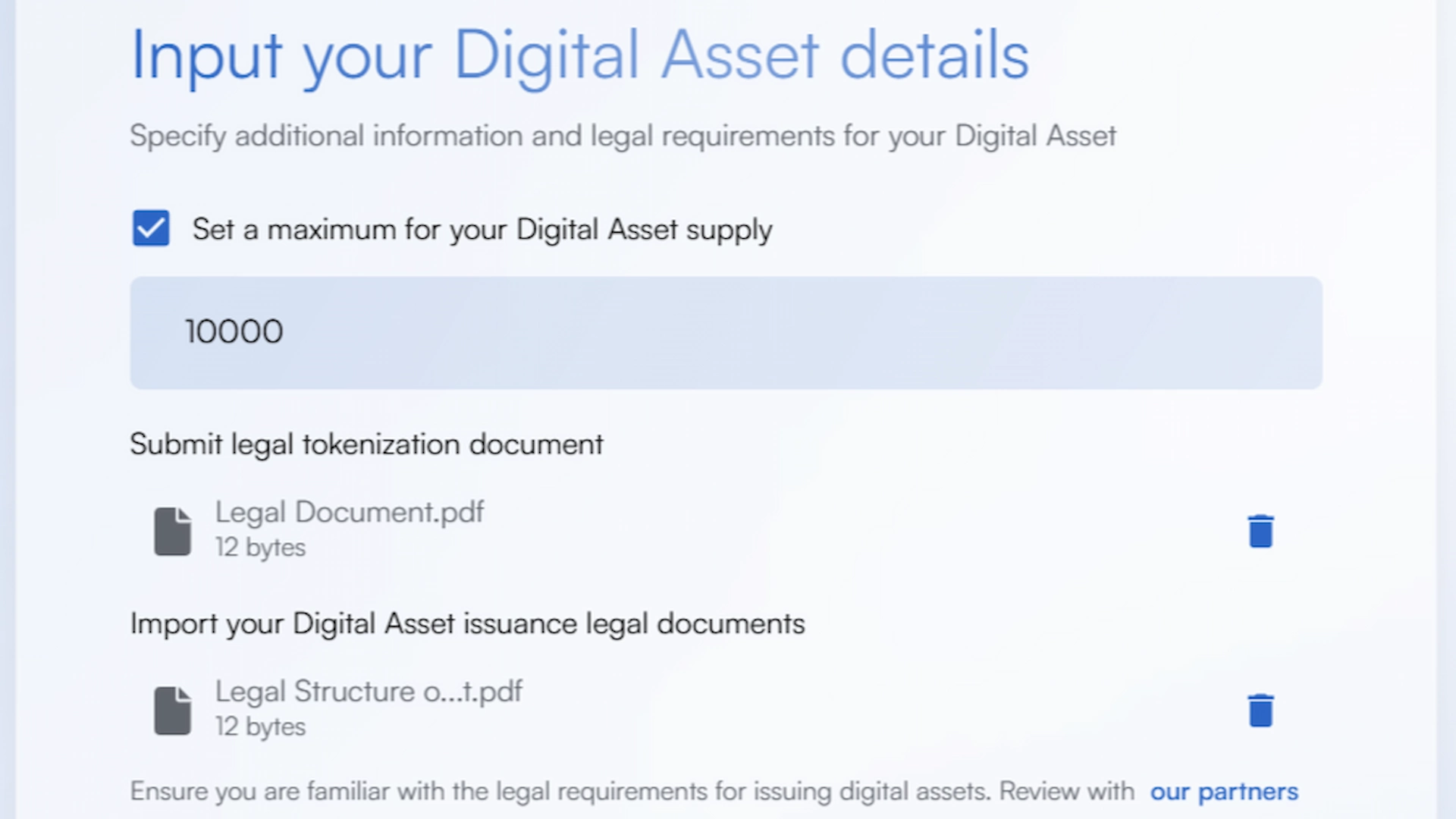
Legal structuring
Establish the legal foundation of your project. Define the structure and prepare all required documentation to ensure compliance and transparency.
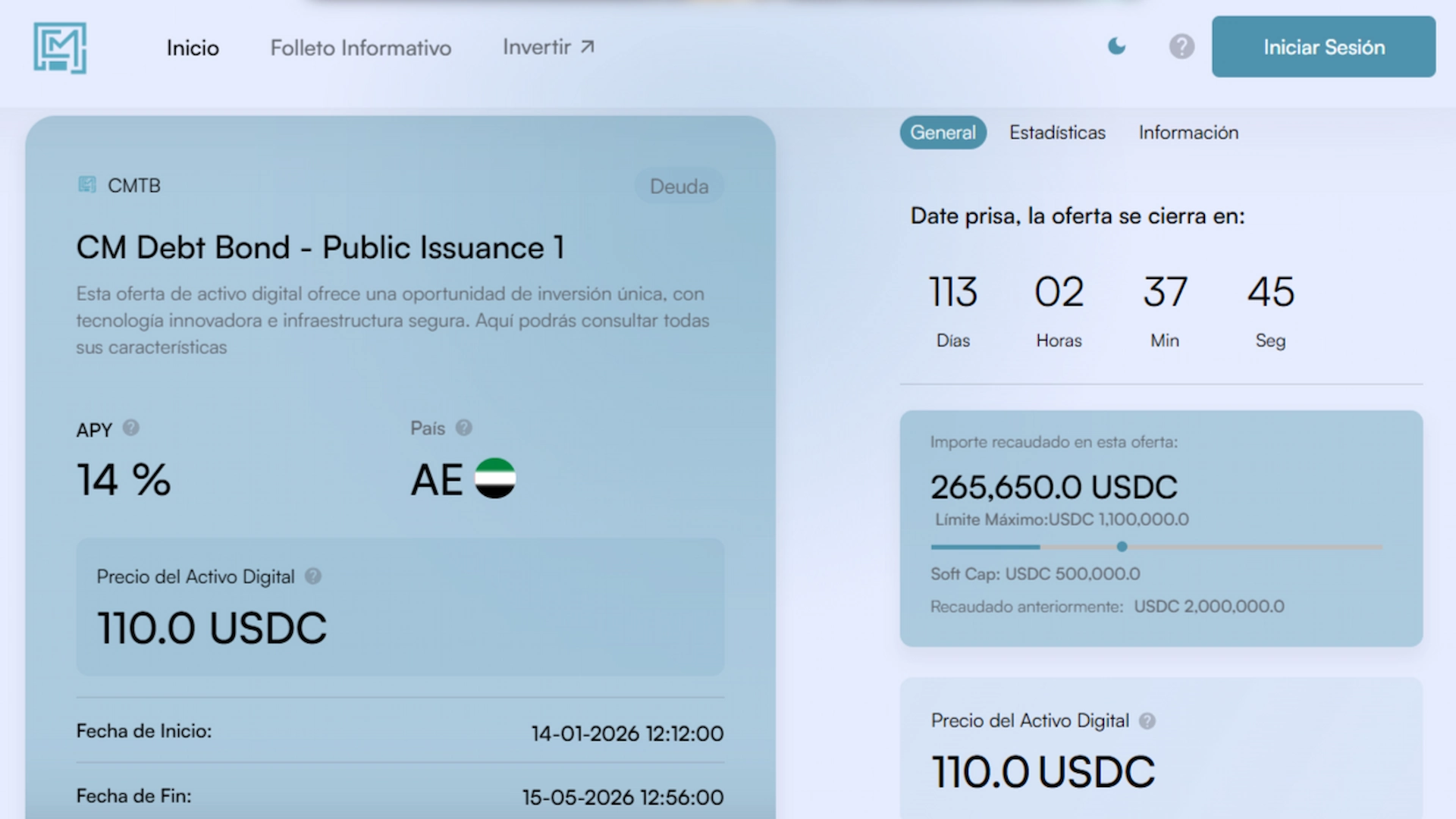
Digital asset store setup
Create your investor portal the central hub where your tokenized assets will be displayed and accessed. Define your project’s identity and configure the environment investors will interact with.
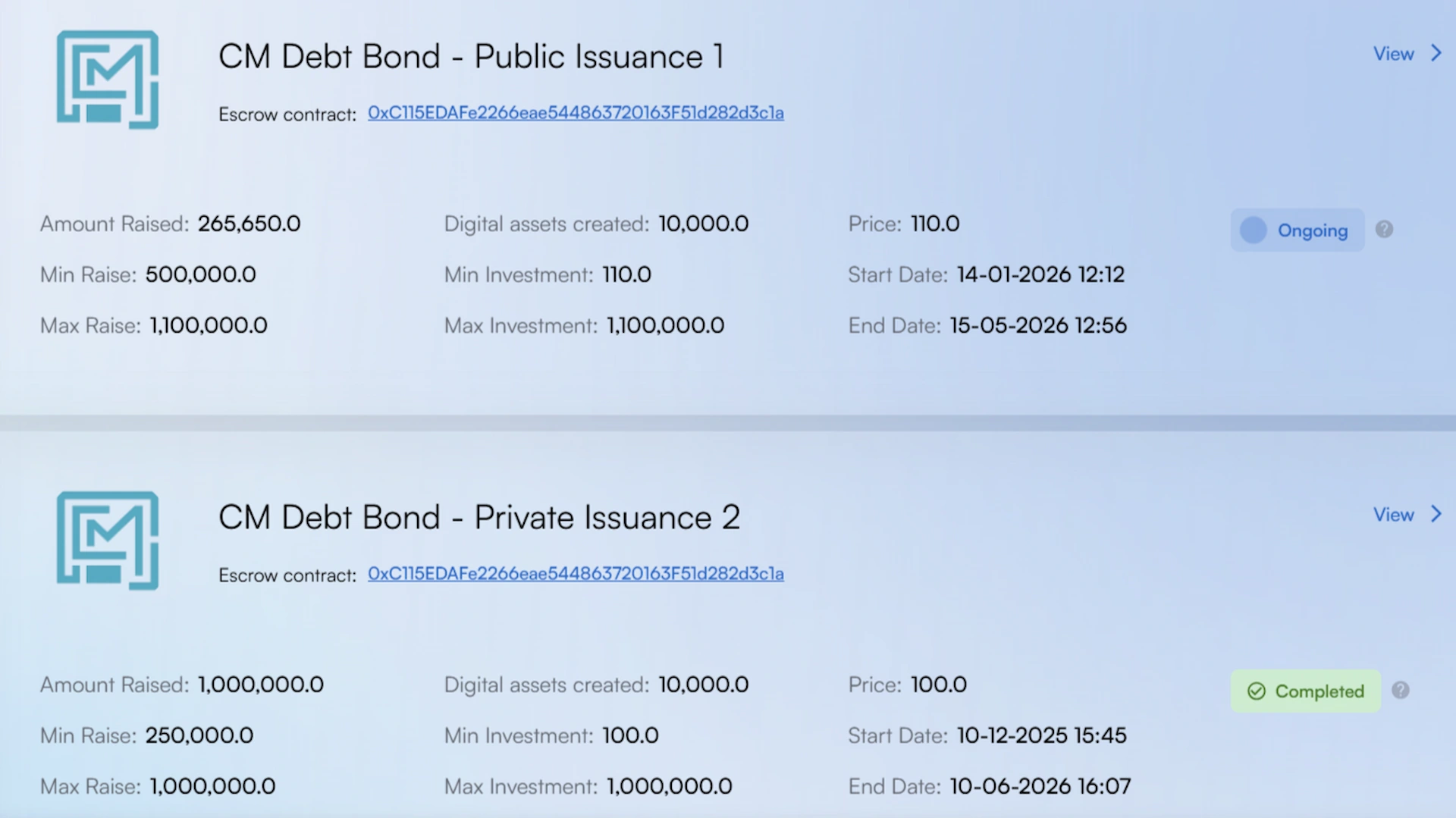
Offering launch
Set the terms for your initial token offering. With the store and visuals in place, configure the funding round and get ready for investor onboarding.
Use Cases
Carbon credits tokenization
Forestry project tokenizes verified offsets
Example
A reforestation project digitizes 100,000 certified carbon credits to reach global buyers.
How it works
The carbon credits are converted into digital tokens. The system records the purchase and permanent retirement of each credit on the blockchain.
Tokenization benefit
Process Integrity. This adds trust through transparent tracking. It ensures credits are used only once through automated records.
Marketplace for vintage credits
Example
A platform digitizes rights to vintage credits for voluntary trading.
How it works
The technology enables fractional ownership of verified credits. The platform tracks every trade to prevent the reuse of assets.
Tokenization benefit
Capital Liquidity. This creates value from dormant assets and opens access to smaller buyers. Traders benefit from real-time auditability.
Operational Efficiency
This makes ESG compliance measurable and easy to report. Firms gain auditable proof of their activities in real time.
Corporate ESG integration with tokenized credits
Example
A corporation buys digitized offsets to meet net-zero goals and automate reporting.
How it works
The technology facilitates storing credits in a digital wallet. The software automates credit retirement and updates reporting dashboards.
Tokenization benefit
Operational efficiency. This makes ESG compliance measurable and easy to report. Firms gain auditable proof of their activities in real time.
Frequently asked questions
Brickken enables the digitization of credits already verified by recognized registries. Our infrastructure transforms these verified rights into digital assets for efficient trading and real-time management.
No. Brickken provides the infrastructure for transparency and auditability. The underlying carbon projects must be vetted and certified by recognized environmental standards and third-party registries before they can be tokenized on the system.
Every digitized credit is assigned a unique on-chain identifier. The immutable ledger tracks the entire lifecycle from issuance to retirement, ensuring that no two parties can claim the same environmental offset.
Retiring a token permanently removes it from circulation once an offset is claimed. Brickken’s protocol records this action on-chain to prevent resale, providing immutable, auditable proof that the carbon credit has been successfully accounted for.
On-chain records are instant, immutable, and accessible 24/7. This allows companies to provide real-time, auditable proof of ESG activities to stakeholders and regulators without the risks of manual paperwork or certificate loss.