

Energy tokenization
Open investment access and unlock capital for energy projects
Energy projects face capital access constraints and complex investor onboarding, especially in emerging or decentralized markets. Brickken RWA platform enables producers, developers, and asset managers to tokenize returns from energy production, infrastructure, or distribution. Our platform helps streamline capital raising, manage investors efficiently, and improve transparency across diverse energy asset classes.

Trusted by global innovators


%20(1).webp)






.webp)
.webp)


What is energy tokenization?
Energy tokenization refers to creating digital tokens that represent ownership, access, or trade of energy units. Often, it includes renewables (solar, wind, etc.). Tokens can represent:
Benefits of energy tokenization

Descentralized energy tokenization
Raise capital directly from investors. Fund new energy projects without relying on banks.

Revenue-linked investment models
Tie tokens to real-time energy output or consumption. Align returns with actual energy production.

Access to renewable projects
Let individuals and institutions co-invest in solar, wind, or hydro infrastructure. Expand access to ESG-aligned assets.

Transparent impact tracking
Publish energy generation and carbon savings on-chain. Build trust through verifiable performance.

Fractional project ownership
Tokenize large-scale infrastructure into affordable shares. Lower the entry barrier for clean energy investors.
The Brickken platform: An end-to-end solution for digital assets management
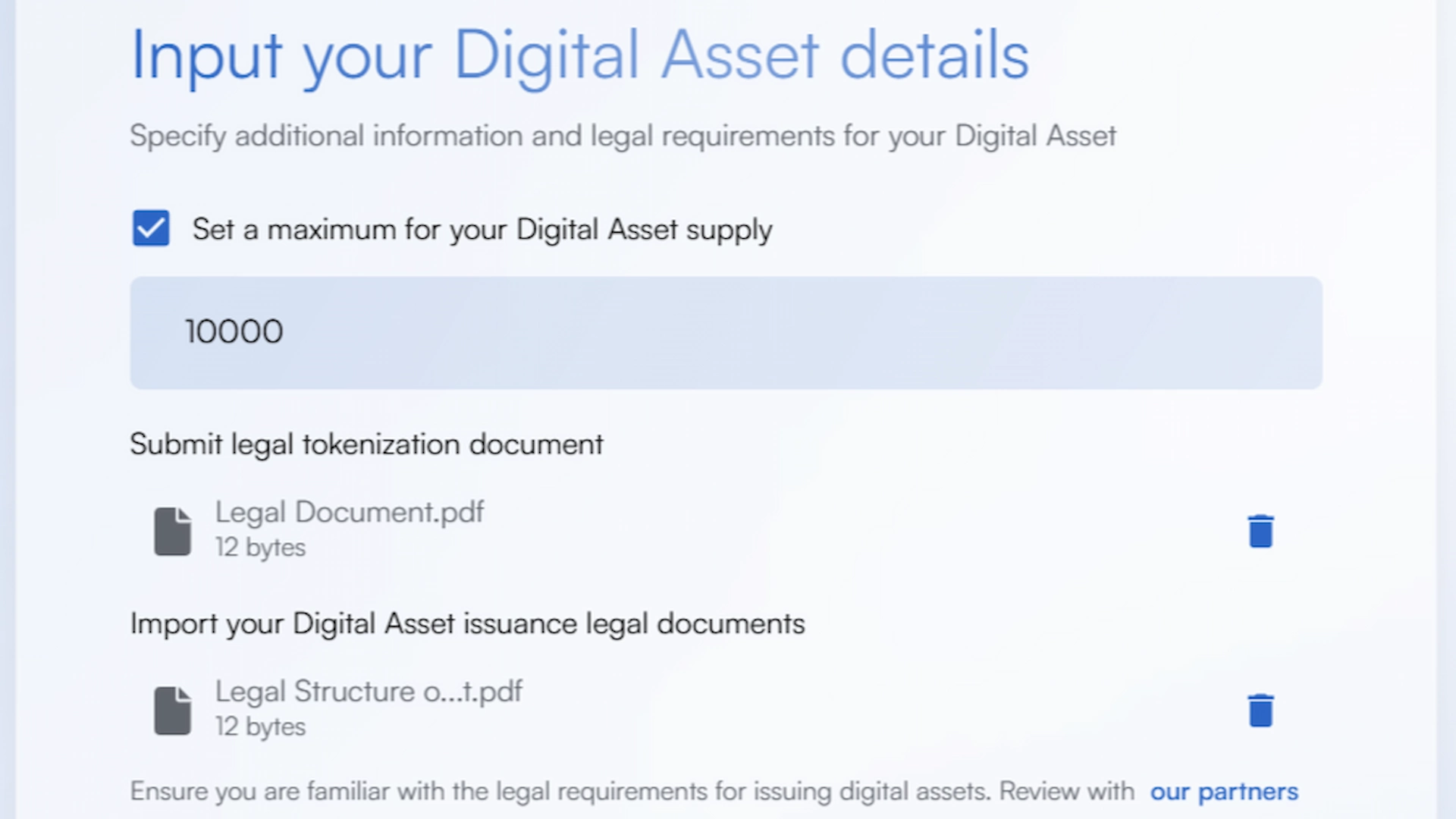
Legal structuring
Establish the legal foundation of your project. Define the structure and prepare all required documentation to ensure compliance and transparency.
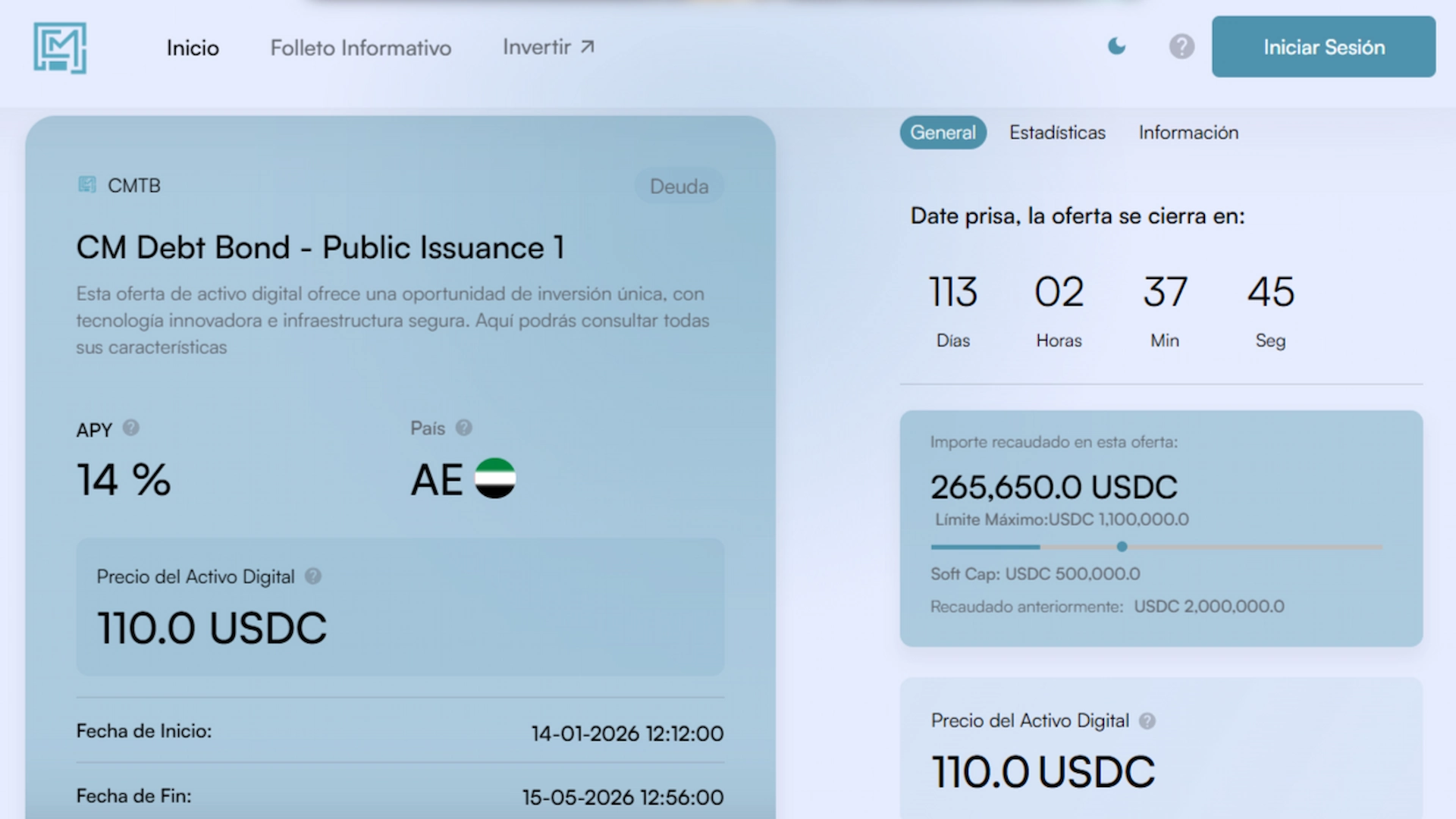
Digital asset store setup
Create your investor portal the central hub where your tokenized assets will be displayed and accessed. Define your project’s identity and configure the environment investors will interact with.
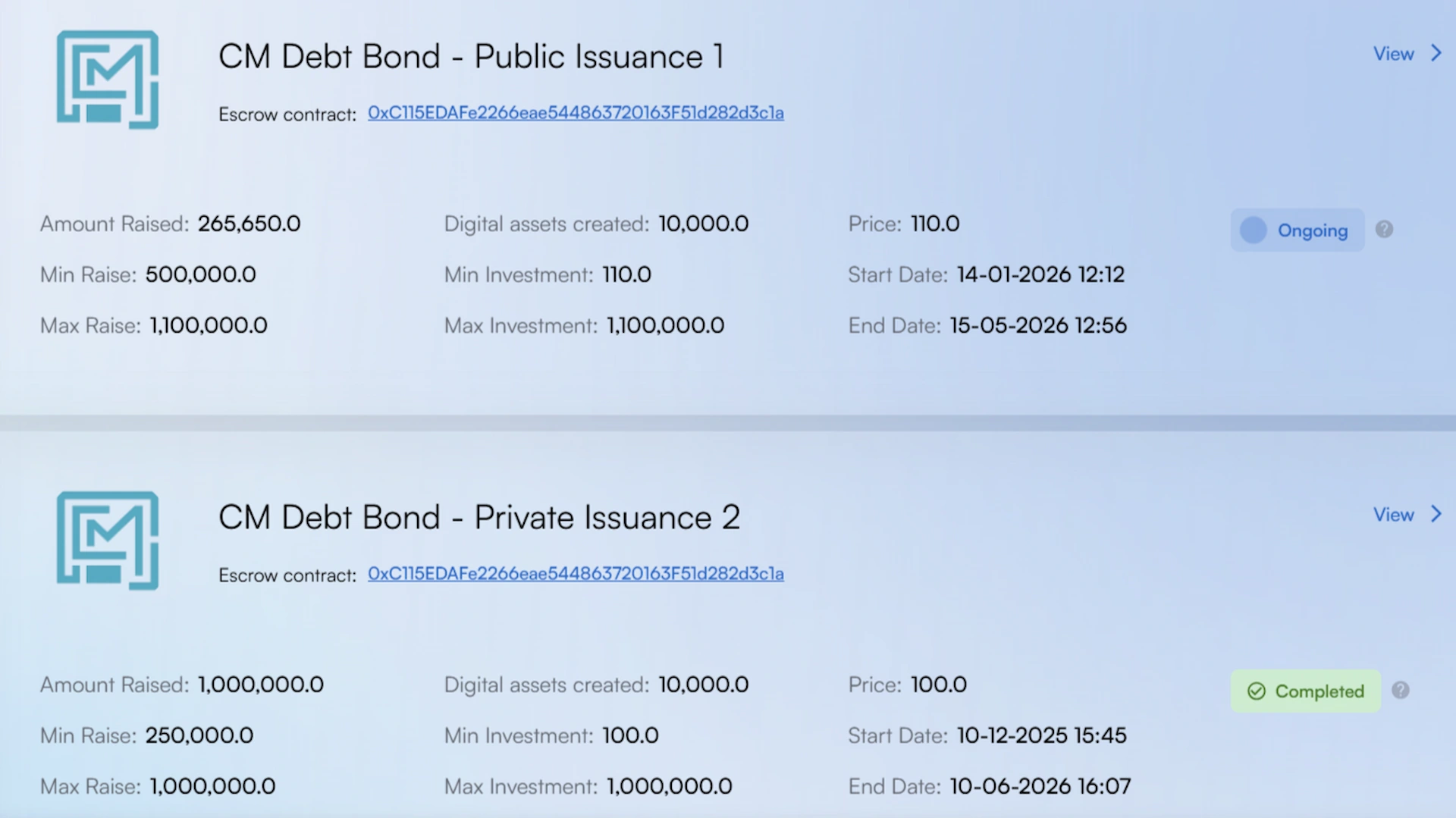
Offering launch
Set the terms for your initial token offering. With the store and visuals in place, configure the funding round and get ready for investor onboarding.
Use Cases
Energy tokenization
Solar energy revenue tokens
Example
A solar farm operator tokenizes future energy revenues to raise €1M for expansion.
How it works
- 1,000 tokens are sold to investors, each entitled to 0.1% of the farm’s energy income.
- Energy output is tracked via IoT and recorded on-chain.
- Monthly energy sales trigger automatic profit sharing via smart contracts.
Tokenization benefit
Links investment directly to measurable performance, creating transparent and recurring returns.
DePIN & community-owned wind projects
Example
A rural municipality tokenizes a €5M wind park to let citizens co-own the asset.
How it works
- Citizens purchase tokens representing fractional ownership in turbines.
- Local households receive returns based on energy sold back to the grid.
- Tokens also grant governance rights over community energy usage.
Tokenization benefit
Boosts local engagement, democratizes access to clean energy profits, and increases project adoption.
Financing off-grid energy systems
Example
An NGO raises funds to build solar systems in remote villages.
How it works
- Supporters buy tokens linked to the energy produced.
- On-chain data shows how much power is generated and used.
- If goals are met, donors receive digital rewards or recognition.
Tokenization benefit
Brings transparency and trust to clean energy projects, with real-time impact tracking.
Frequently asked questions
Yes, Brickken’s Digital Asset Platform provides the end-to-end infrastructure to tokenize solar farms, automating investor onboarding, compliance, and periodic dividend distributions from energy sales.
Fractional ownership allows large energy assets to be divided into digital tokens, enabling multiple investors to co-own portions of the project and share proportionally in the generated revenue.
Yes, tokenization is regulated and legal under european frameworks like MiCA for utility tokens and MiFID II for investment-structured rights, with Brickken providing a compliant platform to adapt to these regulations.
Yes, oil is being tokenized through digital representations of physical barrels or production capacity, transforming traditional energy commodities into liquid and tradable RWA digital instruments.
Smart contracts act as self-executing protocols that automatically track energy production and distribute royalty payments to token holders in real-time based on the energy generated and sold.