

Securities tokenization
Create compliant digital assets that engage global investors
Managing traditional securities is costly, slow, and hard to scale across jurisdictions. Tokenize equity, debt, funds, and other regulated instruments with Brickken. Our platform automates issuance, investor onboarding, and ongoing management in a compliant and secure way.

Trusted by global innovators


%20(1).webp)






.webp)
.webp)


What is securities tokenization?
Securities tokenization means issuing blockchain-based tokens that represent regulated financial instruments. These can include
Each token represents a legal right. That can include dividends, profit sharing, voting, or repayment.
Types of tokenized securities
Equity tokens
Tokens that represent ownership in a company. They may include shareholder rights like voting, dividends, and exit proceeds.
Debt tokens
Tokens that represent structured or tradable debt. These include bonds or notes issued to investors, with fixed returns and a maturity date.
Fund tokens
Tokens that represent shares in an investment fund or SPV. They give exposure to a diversified pool of assets, with profits shared among token holders.
Benefits of securities tokenization
Securities tokenization modernizes capital markets by converting regulated financial instruments into programmable digital assets. By adopting this technology, issuers move beyond the limitations of legacy systems that are often costly, slow, and hard to scale.

Operational efficiency
Smart contracts automate critical lifecycle events such as issuance, investor onboarding, and repayment flows. This reduces reliance on manual administrative work and accelerates deal execution.

Fractional ownership
Issuers can split securities units into smaller increments. This lowers entry barriers and allows for broader investor participation.

Transparency and auditability
All ownership records and transfers are visible on a distributed ledger. This provides stakeholders with a real-time, auditable "single source of truth".

Built-in compliance
The technology automates KYC and AML processes.

Secondary market liquidity
By digitizing the settlement process, investors can trade debt or equity positions instantly, replacing the slow, paper-heavy execution of traditional private placements.
Who can leverage securities tokenization?
Private companies and startups
Traditional equity management often involves inefficient, manual cap table maintenance and limited access to capital.
Issuing digital securities streamlines shareholder relations. Smart contracts automate compliance and payments, while fractional ownership broadens the potential investor base beyond traditional networks.
Asset managers and funds
High administrative costs in legacy structures often require high minimum investment thresholds, excluding a wider market.
Tokenization lowers operational barriers. Managers can issue fund tokens automating profit distribution and enabling smaller ticket sizes for a diversified audience.
Financial institutions
Operations rely on slow, expensive legacy infrastructure that is difficult to scale.
Banks can use securities tokenization to automate their own lifecycle, reducing administrative costs and improving operational efficiency. They can also offer asset tokenization services directly to their clients with Brickken whitelabel, or API solutions.
The Brickken platform: An end-to-end solution for digital assets management
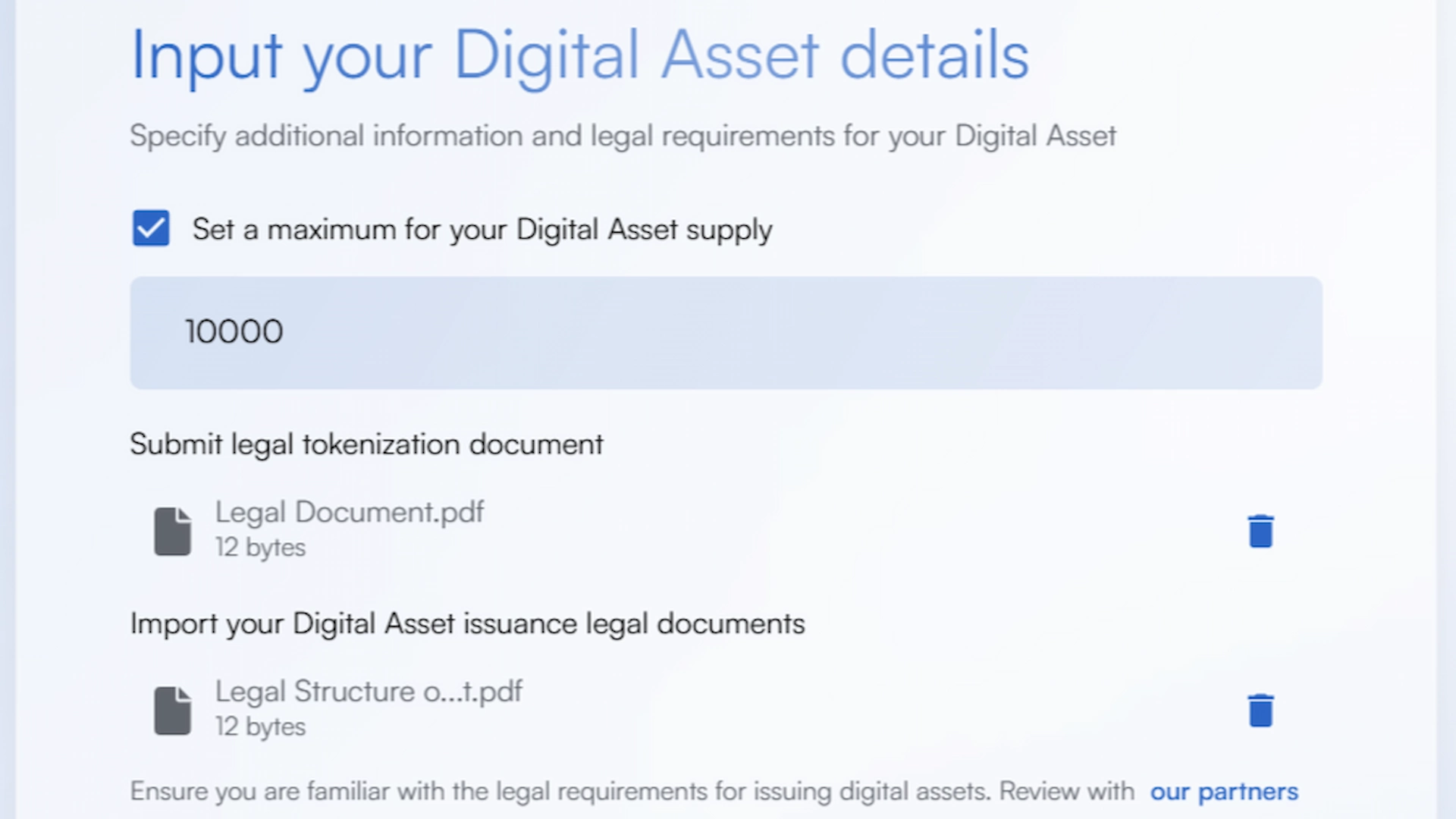
Legal structuring
Establish the legal foundation of your project. Define the structure and prepare all required documentation to ensure compliance and transparency.
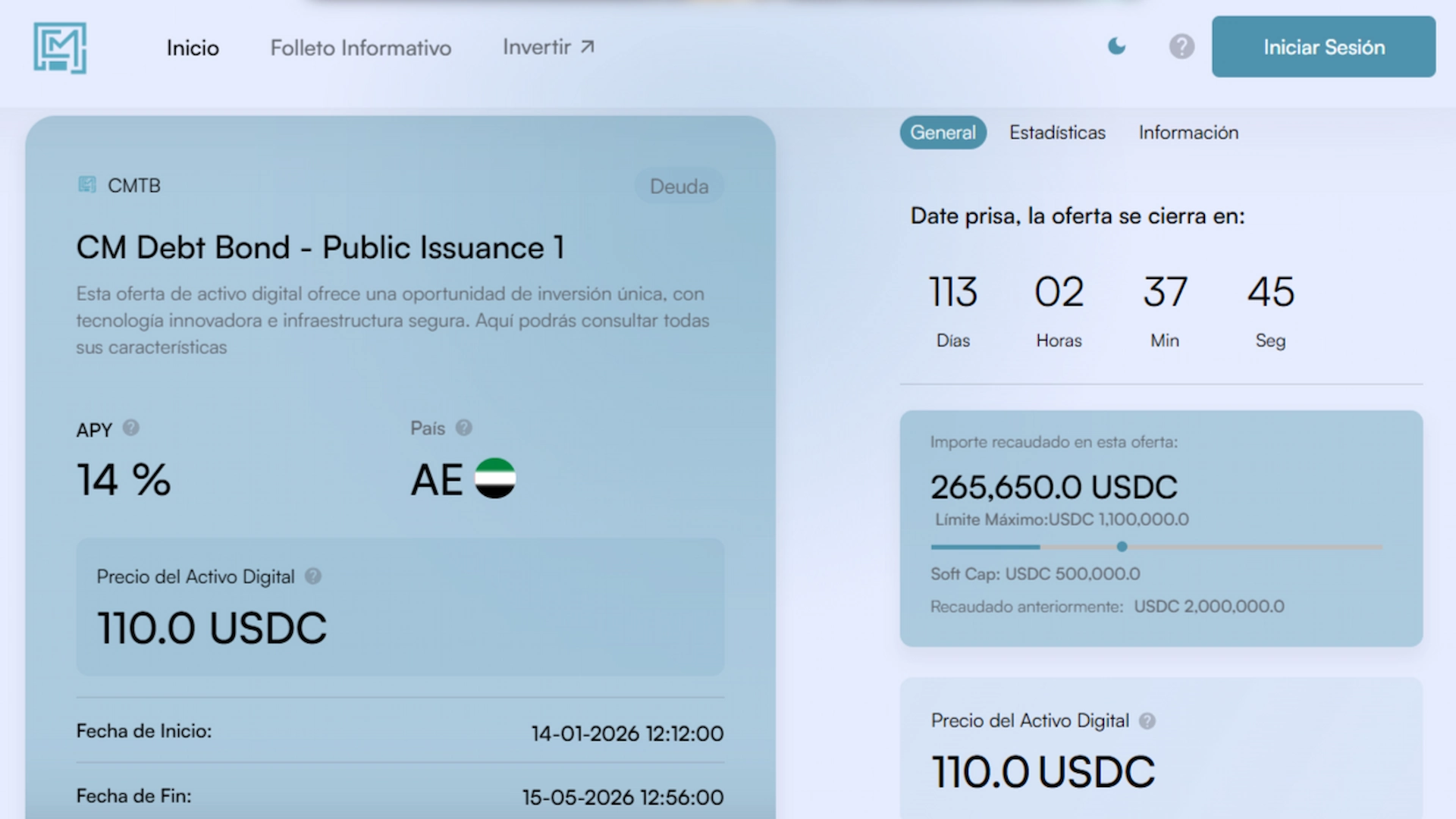
Digital asset store setup
Create your investor portal the central hub where your tokenized assets will be displayed and accessed. Define your project’s identity and configure the environment investors will interact with.
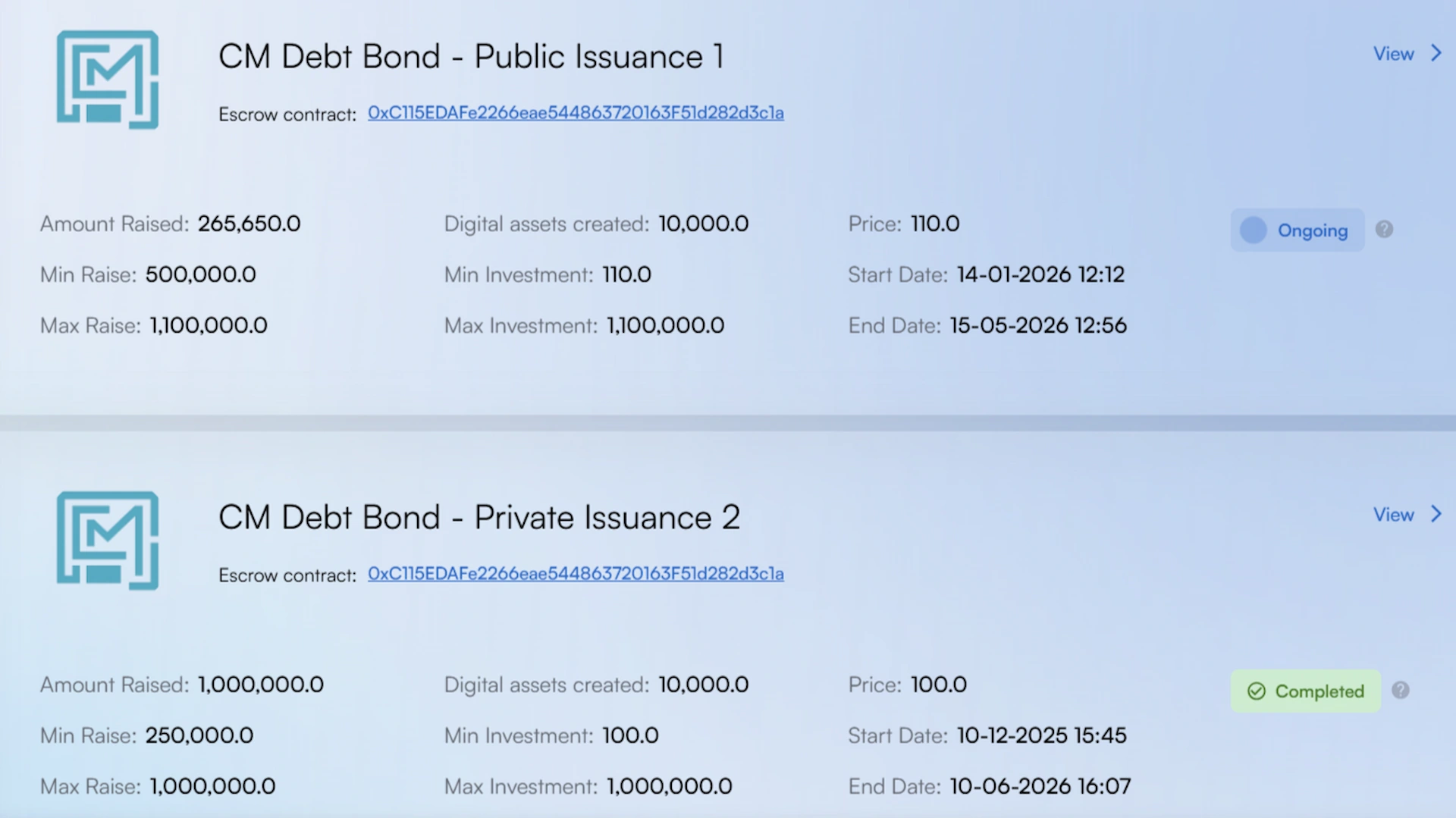
Offering launch
Set the terms for your initial token offering. With the store and visuals in place, configure the funding round and get ready for investor onboarding.
Frequently asked questions
No. Brickken is the technology provider, not the issuer. We provide the compliant infrastructure and no-code tools necessary to tokenize the assets. The client retains full responsibility as the legal issuer of the security tokens.
Yes. Brickken provides an end-to-end solution that goes beyond initial issuance. The software manages the full lifecycle, including investor onboarding, ongoing compliance checks, cap table updates, and final redemption or maturity execution.
No. Brickken provides a seamless "Web2 experience" for the complex world of Web3. Our platform is a no-code solution, meaning issuers can manage the entire lifecycle of a security token, from onboarding investors with automated KYC/AML to executing real-time dividend distributions, through an intuitive dashboard. No specialized blockchain expertise or programming knowledge is required to launch or manage your digital assets.
Tokenization does not alter the underlying legal rights; it digitizes them. Each token represents a legal claim to ownership, repayment, or profits, ensuring that the digital securities carry the same validity and enforceability as traditional paper certificates.
Brickken’s infrastructure is designed to tokenize a wide array of Real World Assets (RWA). This includes financial instruments such as equity, debt, bonds, and private credit, as well as tangible assets like real estate (residential and commercial) and commodities (gold, silver). Additionally, the platform supports the tokenization of intangible assets, including intellectual property and royalty streams, enabling fractional ownership across multiple sectors.