

Private credit tokenization
Scalable infrastructure for digital lending
Private credit markets rely on slow documentation, limited investor access, and manual deal execution. Brickken enables the tokenization of income rights from loans such as direct lending or bridge financing. Our platform automates repayment flows, simplifies investor onboarding, and supports secure distribution to qualified investors.

Trusted by global innovators



%20(1).webp)






.webp)
.webp)


What is private credit tokenization?
Private credit tokenization means turning privately originated financing agreements into digital assets recorded on the blockchain.
These agreements may include:
Tokens represent rights to repayments, interest, or profit shares, depending on the credit structure.
Benefits of private credit tokenization

Expand investor access to private credit
Make private lending products accessible to a broader investor base with smaller entry sizes.

Automate repayment flows
Use smart contracts to handle interest payments, amortization, and final repayments.

Reduce operational complexity
Digitize repayment schedules, investor tracking, and legal documentation.

Enable secondary transfers
Allow investors to resell their credit exposure under pre-approved rules.

Lower issuance and servicing costs
Digital execution removes intermediaries and simplifies long-term servicing of credit products.
Who can take advantage of private credit tokenization
Institutional investors
"Operational alpha" & capital efficiency
- Atomic settlement: Transitioning from T+20 to T+0 settlement minimizes operational costs
- Collateral mobility: Tokenized assets can be pledged instantly as collateral for margin or loans.
- Real-time data: Direct access to on-chain loan performance data
Wealth managers
Scalable Access to Mass-Affluent Clients
- Compliance Automation: Smart contracts handle subscriptions and KYC, reducing operational cost. It allows managers to profitably serve clients with smaller ticket sizes.
- Scalable Model Portfolios: Standardized templates and programmatic rebalancing allow to reduce operational complexity and serve thousands of clients at the same time.
Retail investors
Democratization of Yield
- Fractionalization: Tokenization allows high-value loans to be split into affordable units, lowering the barrier to entry
- Diversification:Splitting a huge loan or fund enables the allocation of capital across different sectors, rather than concentration in a single project.
Fund managers
Primary Benefit: AUM Growth & Margin Preservation
- Global Distribution: Digital rails allow for 24/7 capital raising from a global pool of investors, bypassing local banking bottlenecks.
- Automated Administration: Smart contracts execute complex fee calculations and distributions automatically, reducing back-office costs.
Borrowers
Primary Benefit: Speed & Diversity of Capital
- Global Capital: Access Borrowers gain access to decentralized liquidity pools, diversifying their capital sources
- Programmable Repayment: Smart contracts can enable models where repayments are automatically deducted from on-chain revenue streams.
The Brickken platform: An end-to-end solution for digital assets management
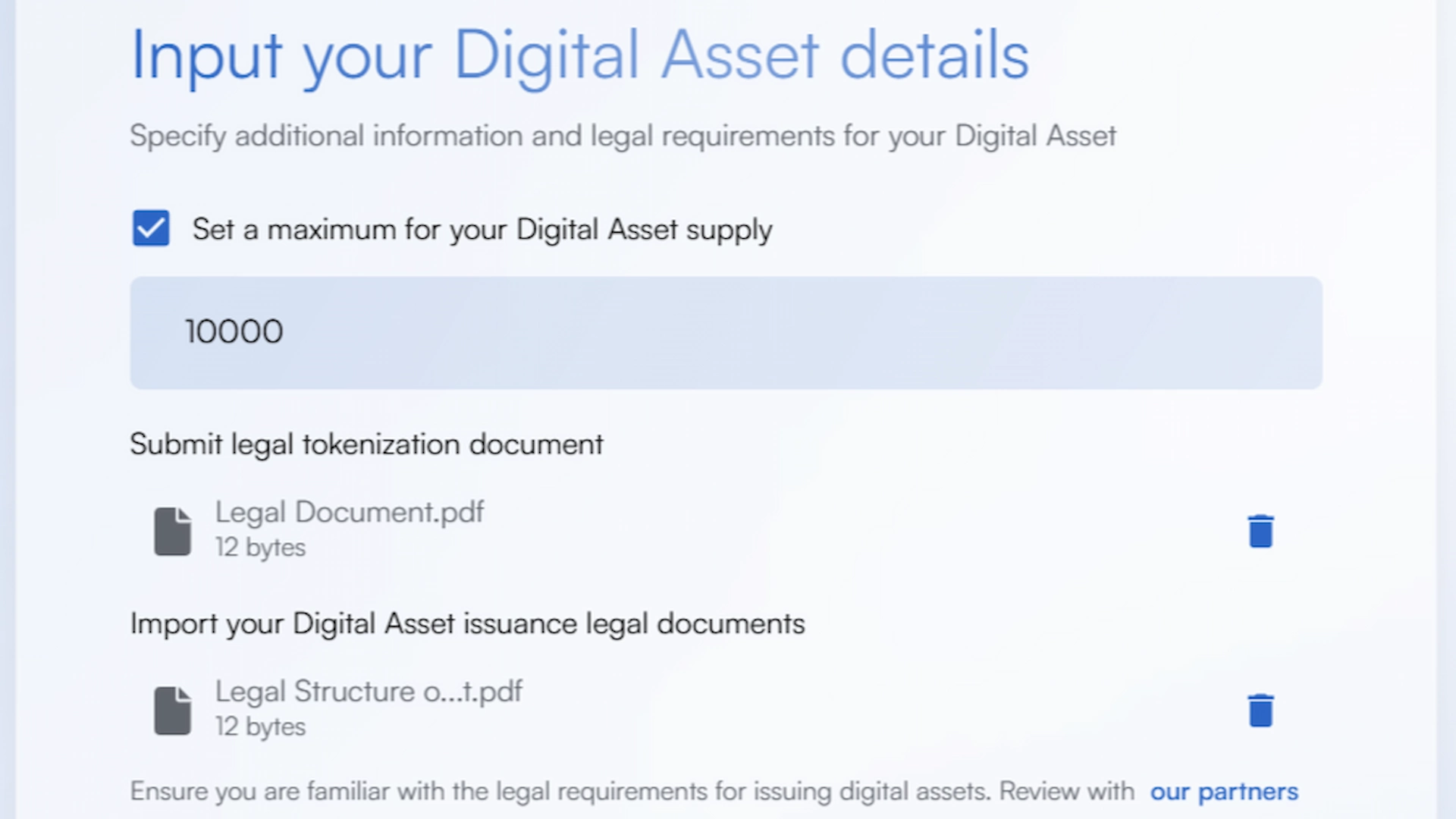
Legal structuring
Establish the legal foundation of your project. Define the structure and prepare all required documentation to ensure compliance and transparency.
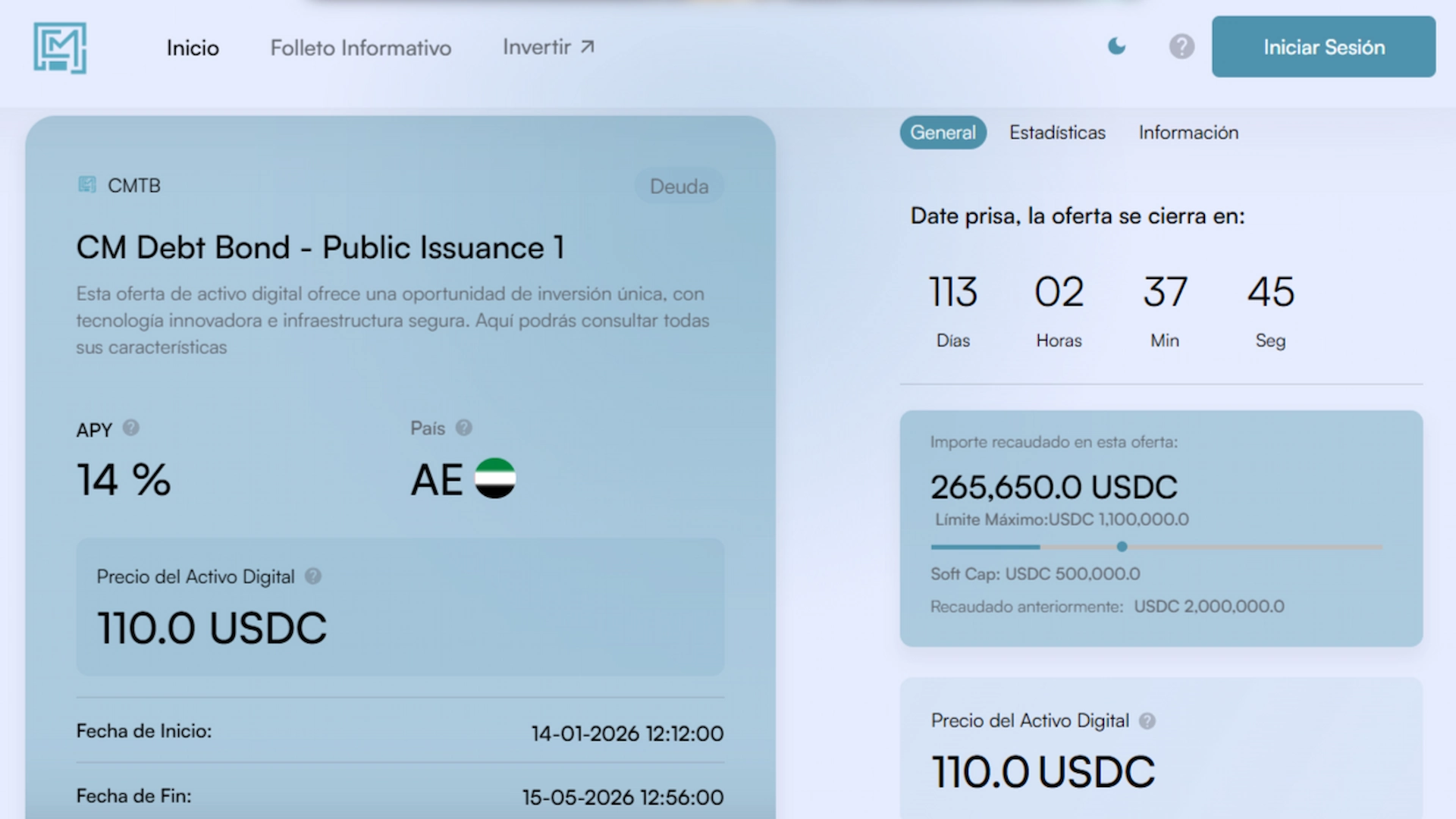
Digital asset store setup
Create your investor portal the central hub where your tokenized assets will be displayed and accessed. Define your project’s identity and configure the environment investors will interact with.
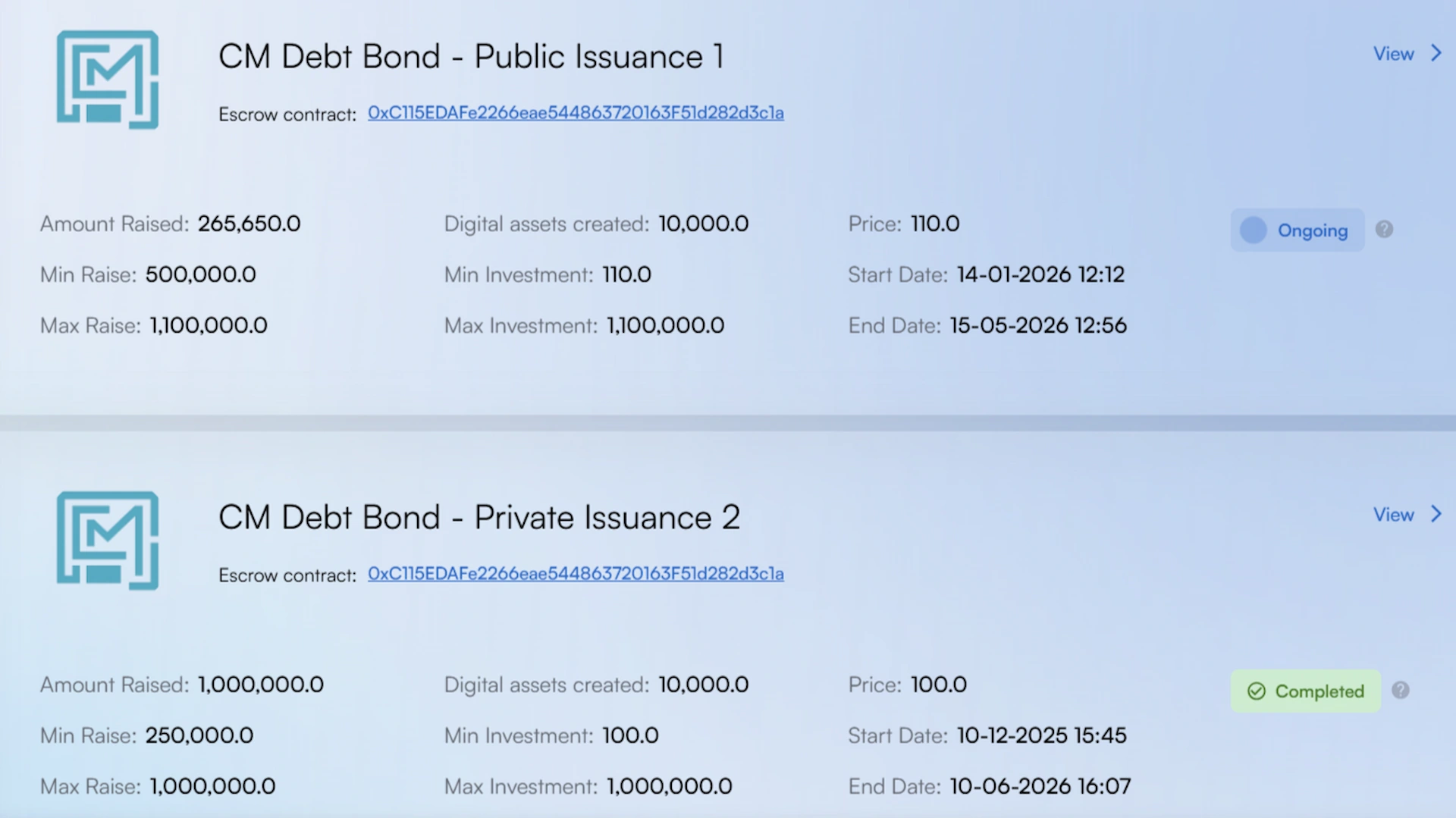
Offering launch
Set the terms for your initial token offering. With the store and visuals in place, configure the funding round and get ready for investor onboarding.
Use Cases
Private credit tokenization
SME revenue-based financing
Example
A growing company digitizes revenue-sharing rights to raise capital from private investors.
How it works
Brickken technology facilitates the conversion of revenue rights into digital tokens. The system automates payouts based on monthly earnings.
Tokenization benefit
Operational Efficiency. This removes manual work by automating payouts. Investors receive transparent, data-driven returns.
Institutional bridge loans
Example
A bank digitizes rights to short-term bridge loans for real estate projects.
How it works
The technology enables the issuance of tokens representing claims to fixed interest. Smart contracts manage the repayment schedule and automate distributions.
Tokenization benefit
Transaction Speed. Banks reduce overhead while providing clients with real-time tracking. Interest payments are automated throughout the loan term.
Digital lending platforms
Example
A platform connects borrowers and investors using digitized loan contracts.
How it works
The technology facilitates the creation of tokens representing claims to loan cash flows. The software manages the entire lifecycle from issuance to final repayment.
Tokenization benefit
Lifecycle Automation. Platforms automate loan management and participant verification. This creates a scalable lending environment with auditable records.