

Tokenization software and intellectual property
With transparent digital tools
Managing intellectual property can involve complex rights and licensing arrangements. Brickken provides software for digital-asset issuance, holder records and lifecycle workflows for structures linked to patents, copyrights and trademarks. Ownership, licensing terms, royalty entitlements and any security interests remain defined by the governing agreements and applicable law.

Trusted by global innovators









How Brickken tokenization software works
IP tokenization uses digital assets to administer instruments or agreements linked to intangible assets. Ownership, licensing and revenue rights are established by the relevant documents and applicable law. These structures may relate to:
Benefits of intellectual property rights tokenization

Additional financing options
Explore financing structures linked to patents, trademarks or copyrights. Digital issuance and holder-management tools support the process; funding and liquidity depend on the structure and investor demand.

Fractional participation
Structure smaller investment units linked to IP. The governing agreements define how participants share in the rights or income associated with the project.

Broader investor access
Present your project to eligible investors across supported markets. Participation remains subject to the offering terms and applicable jurisdictional requirements.

Royalty distribution workflows
Coordinate approved royalty distributions through supported holder-event workflows. Usage data, calculations, funding and approvals remain the responsibility of the designated parties.

Transparent on-chain data tracking
Maintain digital records of supported transactions alongside ownership and licensing documentation. Legal title and licence status depend on the underlying agreements and relevant registers.
The Brickken platform: An end-to-end solution for digital assets management
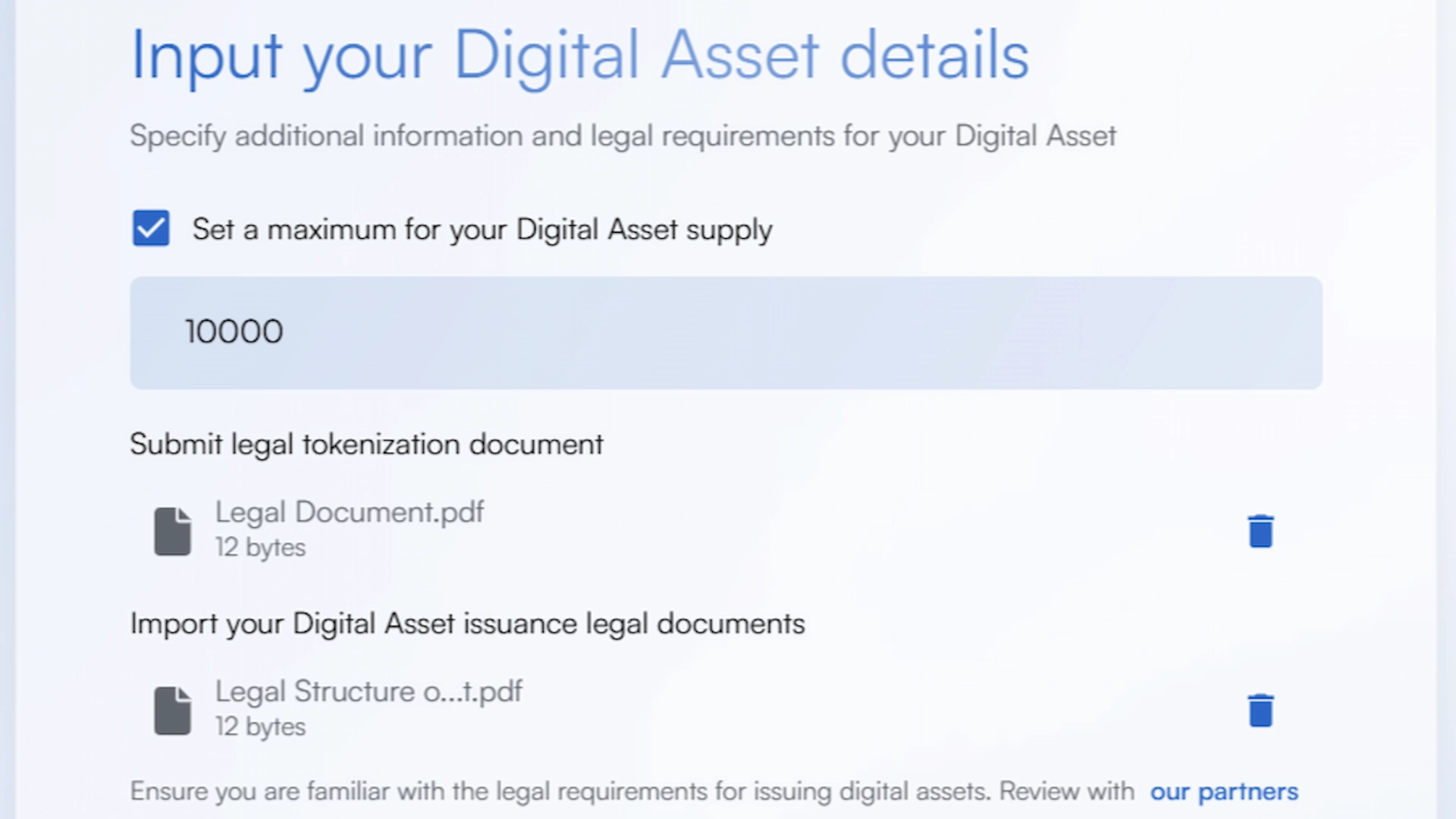
Legal structuring
Establish the legal foundation of your project with your advisers. Define the structure and prepare the required documentation to support compliance and transparency.
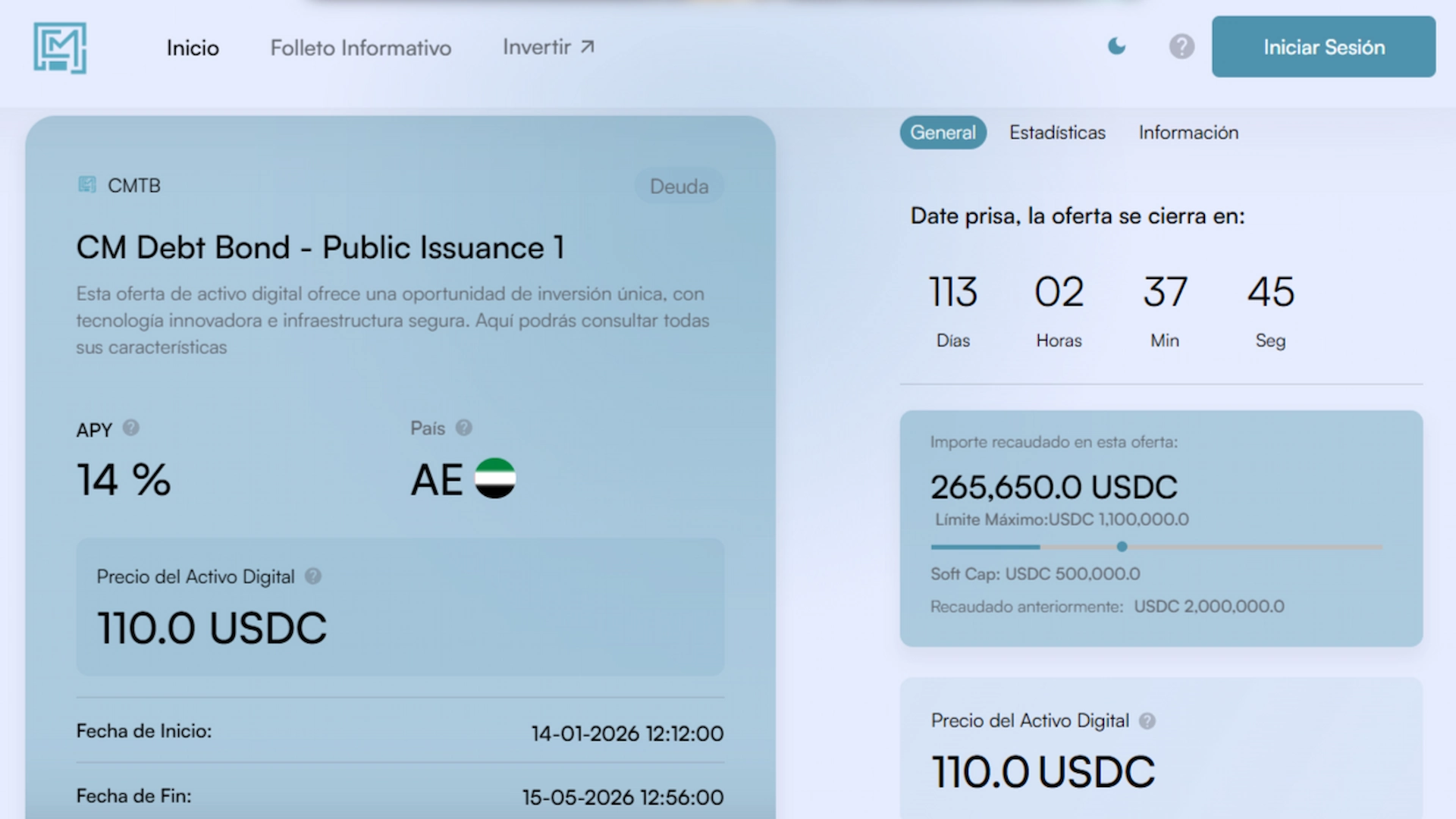
Digital asset store setup
Create your investor portal the central hub where your tokenized assets will be displayed and accessed. Define your project’s identity and configure the environment investors will interact with.
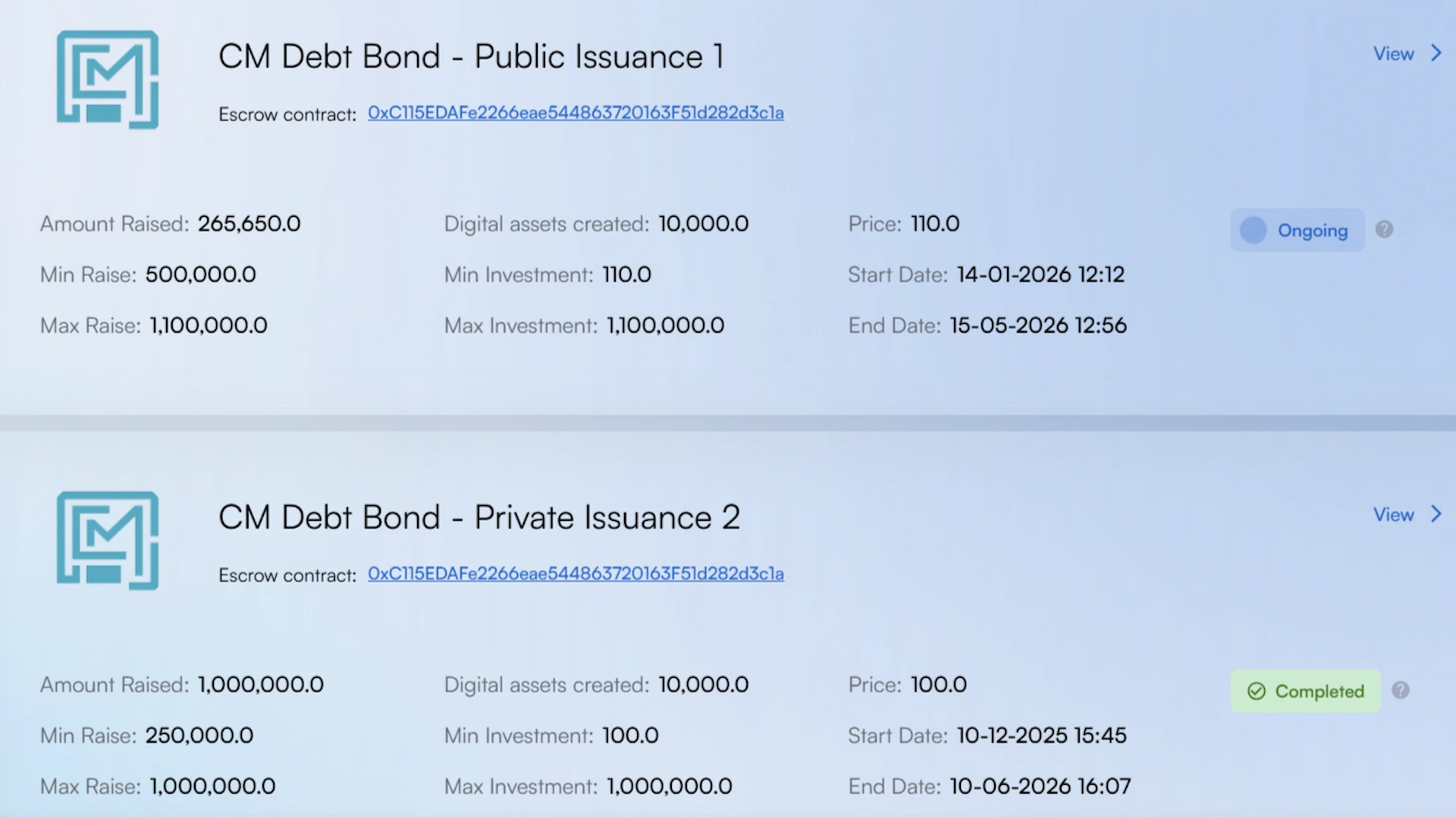
Offering launch
Set the terms for your initial token offering. With the store and visuals in place, configure the funding round and get ready for investor onboarding.
Challenges and risks & how to overcome them
Regulatory compliance
Risk
Navigating complex securities laws (such as MiFID II).
Solution
Brickken provides a framework with built-in KYC/AML that supports compliance.
Legal linkage
Risk
Ensuring the token represents the real-world asset.
Solution
We use Digital Twin technology to create a binding legal connection between the on-chain token and the off-chain IP contract.
Technical barriers
Risk
Managing smart contracts without blockchain expertise.
Solution
Our No-Code SaaS platform allows teams to issue and manage tokenized IP via an intuitive dashboard.
Asset traceability
Risk
Difficulty in auditing fragmented royalty streams and complex licensing chains.
Solution
Brickken’s immutable ledger provides a real-time audit trail for every transaction, ensuring total transparency in royalty distribution and ownership transfers.
Real World Use Cases
Types of tokenizable IP
Patent-backed financing
Example
A biotech company digitizes royalty rights from a patent to secure research capital.
How it works
Brickken technology facilitates the conversion of royalty rights into digital tokens. The system automates payouts when the patent is licensed.
Tokenization benefit
Capital Access. Long-term assets become liquid funding sources. Income streams remain transparent for all participants.
Music IP with revenue sharing
Example
An independent artist tokenizes rights to a hit song to share future streaming income.
How it works
The technology enables the issuance of tokens representing rights to streaming income. The software then automates payouts based on playback data.
Tokenization benefit
Operational Efficiency. Artists establish a direct funding model. Supporters receive predictable and automated income.
Film studios: production revenue rights
Example
A studio digitizes the distribution revenue rights for a new film to attract investors.
How it works
The technology enables the issuance of tokens representing rights to future earnings. The system automates distributions once the film generates income.
Tokenization benefit
Global Capital Access. Producers secure borderless funding. The process ensures financial distributions are handled with real-time auditability.
Frequently asked questions
Multiple parties may hold ownership interests, licences or contractual revenue rights where the governing agreements and applicable law permit. Brickken supports digital issuance and holder records for the configured structure; the agreements determine participation and any entitlement to income.
Brickken provides tokenization software and supported workflows. The issuer and its appointed advisers establish the legal structure, rights and operating responsibilities. Use of the platform does not make Brickken the owner, custodian or licensor of the underlying IP.
Supported holder-event workflows can coordinate approved royalty distributions. The designated parties remain responsible for usage data, entitlement calculations, available funds, tax treatment and approvals. Software automation does not independently verify those inputs or guarantee accurate payments.
Digital identifiers and transaction records help trace a configured digital asset. Preventing conflicting or duplicate IP claims also requires rights verification, governing agreements and checks against the relevant registers and records. A blockchain identifier alone cannot prevent the same right from being represented elsewhere.