

Equity tokenization platform
Digitize private equity & automate shareholder management
Private equity is often hard to manage, slow to transfer, and limited in reach. Brickken enables companies, cooperatives, and other entities to tokenize shares and equity-linked rights. Our platform improves investor reach, automates payments distribution, governance, reporting, and simplifies cross-border operations.

Trusted by global innovators



%20(1).webp)






.webp)
.webp)


What is equity tokenization?
Equity tokenization means creating blockchain-based tokens that represent ownership in a legal entity. This process transforms traditional shares into Digital Securities, often issued via a compliant Security Token Offering (STO). Through the tokenization of equity, private companies can represent ownership rights directly on the blockchain, moving away from fragmented spreadsheets into a unified digital ecosystem. Each token may include rights such as:
It is used for fundraising, ownership transfer, employee incentives, or investment structuring.
The tokens are issued in compliance with securities regulations and governed by smart contracts.
Stock tokenization is a specific type of equity tokenization. These tokens mirror the value of public company shares but may not carry full shareholder rights.
Benefits of equity tokenization
Smart contracts automate critical lifecycle events such as issuance, investor onboarding, and repayment flows. This reduces reliance on manual administrative work and accelerates deal execution.

Easier capital raising
Companies can raise funds from a global investor base without complex IPO processes.

Fractional ownership
Shares can be divided into small units. This lowers the entry barrier for investors.

Embedded compliance
Smart contracts enforce transfer restrictions and KYC rules.

Real-time cap table management
Ownership data is recorded on-chain. Cap tables update instantly and accurately.

Secondary market liquidity
Investors can trade tokens peer-to-peer or on regulated marketplaces. This increases liquidity for private shares.
The Brickken platform: An end-to-end solution for digital assets management
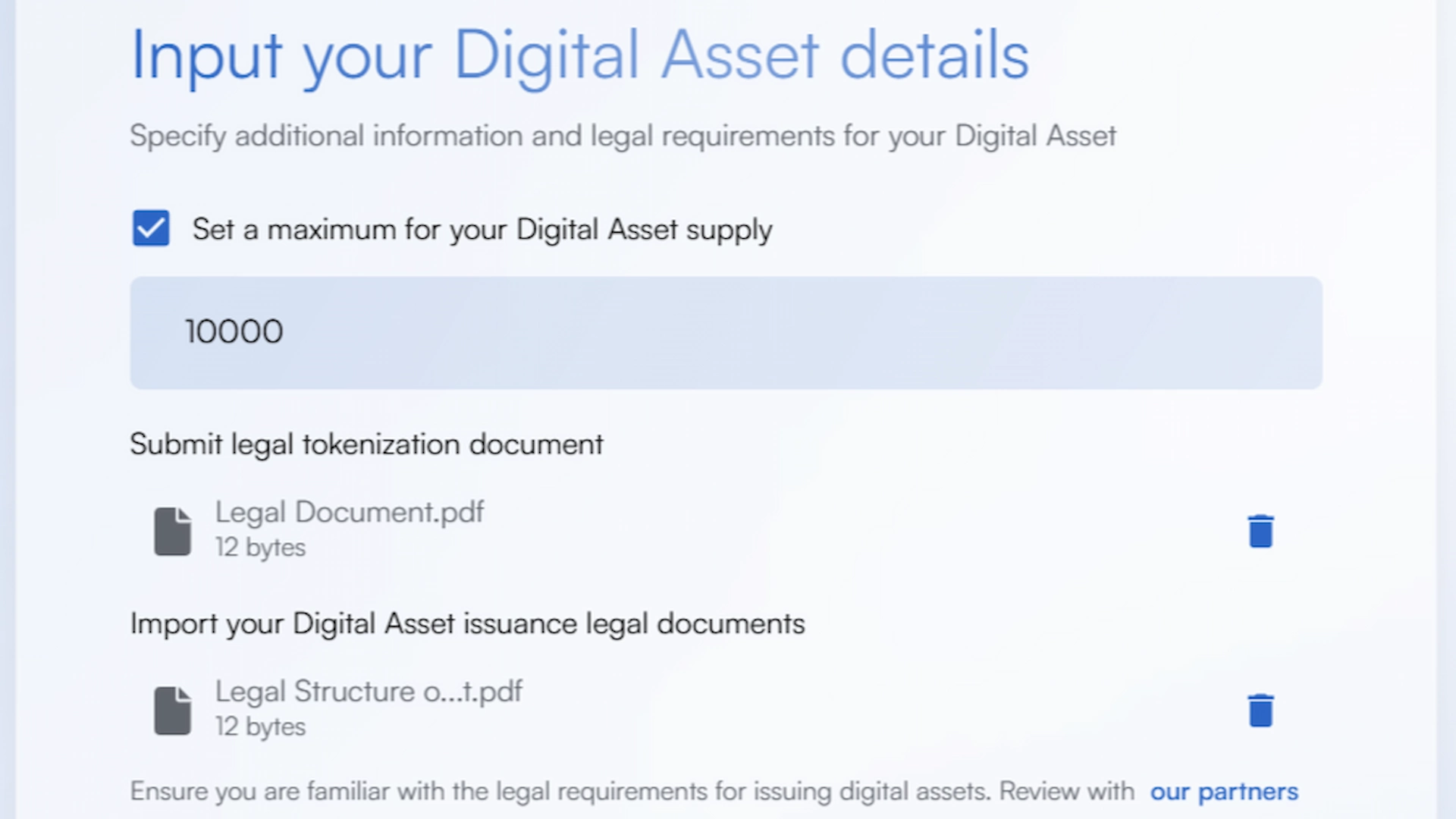
Legal structuring
Establish the legal foundation of your project. Define the structure and prepare all required documentation to ensure compliance and transparency.
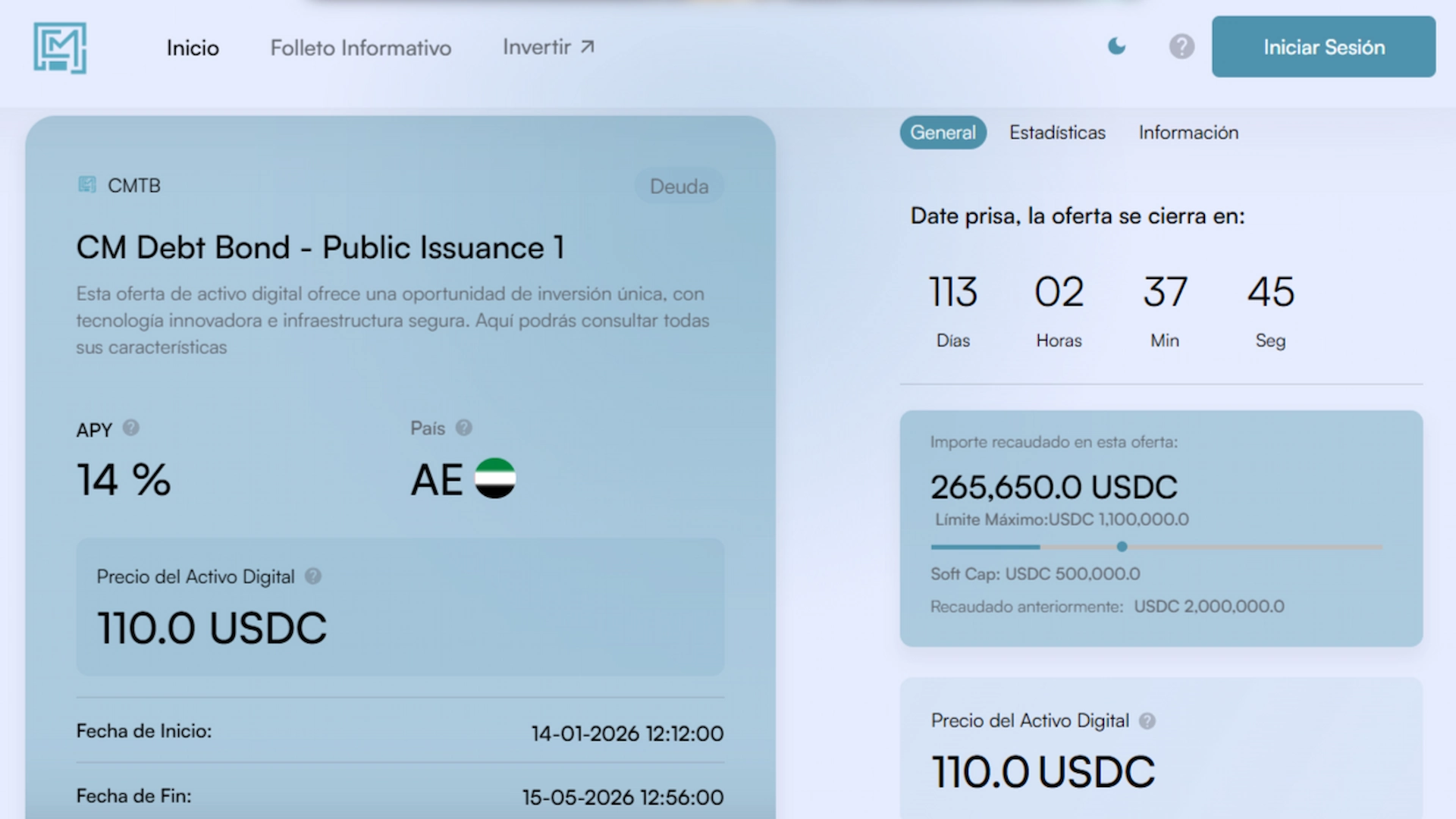
Digital asset store setup
Create your investor portal the central hub where your tokenized assets will be displayed and accessed. Define your project’s identity and configure the environment investors will interact with.
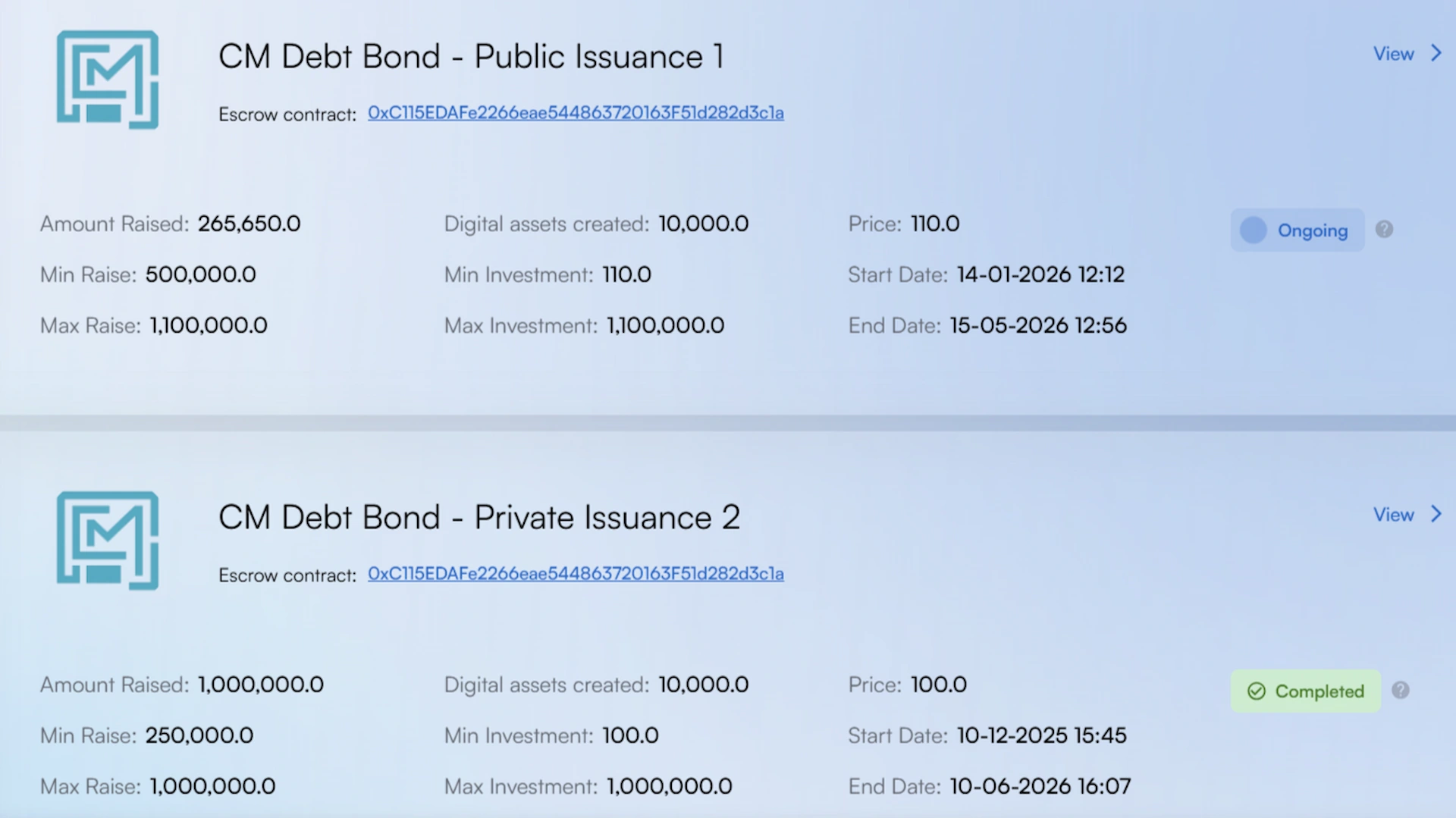
Offering launch
Set the terms for your initial token offering. With the store and visuals in place, configure the funding round and get ready for investor onboarding.
Use Cases
Equity tokenization
Equity tokenization for a real estate development
Example
A real estate developer tokenizes equity in a new residential project to raise capital from private investors.
How it works
- Equity tokens are issued to represent ownership shares in the SPV.
- Investors receive rental income and a share of sale proceeds.
- All rights and payouts are automated via smart contracts.
Tokenization benefit
Enables fractional investment in real estate while simplifying profit distribution and cap table management.
Equity tokenization for a bank
Example
A private bank tokenizes a minority equity stake to raise growth capital from selected partners.
How it works
- The bank issues equity tokens representing 7% of its shareholding.
- Tokens are offered to vetted institutional investors under regulatory exemptions.
- Investors receive annual dividends and access to token-holder reports.
Tokenization benefit
Allows banks to raise capital efficiently while preserving ownership structure and ensuring compliance.
Tokenized ESOP for global teams
Example
A startup uses equity tokens to manage employee stock options.
How it works
- Team members receive token allocations with a vesting schedule.
- Tokens are non-transferable until vested.
- After vesting, employees can sell or receive dividends.
Tokenization benefit
Streamlines equity distribution for cross-border teams with real-time tracking.
Bank offering equity tokenization as a product
Example
A private bank enables its SME clients to tokenize their equity for private fundraising.
How it works
- The bank integrates a tokenization platform into its corporate banking services.
- SME clients use the service to issue equity tokens for verified investors.
- The bank handles KYC, custody, and compliance monitoring.
- Tokens can be traded on a controlled secondary market.
Tokenization benefit
Empowers the bank to offer value-added capital market services, while helping clients raise funds efficiently.
Pre-exit liquidity for early investors
Example
A growth-stage company allows early investors to sell tokenized shares.
How it works
- Investors tokenize a portion of their equity.
- Tokens are sold on a private secondary market.
- Smart contracts enforce transfer restrictions and eligibility.
Tokenization benefit
Provides liquidity without requiring a full exit or IPO.
Frequently asked questions
Yes, tokenized equity can be traded on secondary markets outside Brickken’s platform, subject to regulatory approval, enhancing liquidity.
Start with a consultation, complete KYC, and use Brickken’s DIgital Asset Platform to issue equity as digital tokens (e.g., ERC-20) on a supported blockchain.
While tokenized stocks often refer to synthetic versions of public company shares traded on crypto exchanges, equity tokenization is the process used by private companies to issue primary digital securities. Brickken provides the infrastructure for companies looking for stock tokenization of their own private assets, rather than trading public synthetics.
Risks include regulatory shifts, market volatility, and security concerns. Brickken recommends consulting legal experts to mitigate these.