

What is RWA tokenization?
RWA tokenization uses digital assets to support the issuance and administration of instruments linked to real-world assets, such as real estate, equity or commodities.
The underlying asset and the digital record are distinct. Ownership, debt, revenue, royalty or access rights are established by the governing instruments, agreements and applicable law.

Which rights can a token represent?
A token can record rights set out in the underlying agreement. The terms determine what the holder can receive or exercise.
Shares may carry ownership and voting rights.
Examples: shares and voting rights
Holders may receive payments under the instrument’s terms.
Examples: dividends and revenue shares
Holders may use a service or redeem an entitlement.
Examples: hotel stays and software access
Why tokenize Real-World Assets?
RWA tokenization adds digital issuance, holder records and lifecycle workflows to structures linked to real-world assets. Brickken helps issuers coordinate supported processes while the relevant parties retain their legal and operational responsibilities.

Transferable investment structures
Digital assets can support permitted transfers of interests linked to real-world assets. Transferability depends on the instrument, investor eligibility and applicable restrictions; tokenization does not guarantee buyers, liquidity or settlement.

Operational efficiency & automation
Brickken supports digital issuance, investor records, holder events and reporting through configured workflows. These tools help reduce repetitive administration, while responsible parties approve events and validate the underlying data.

Broader access and fractional participation
Issuers can structure smaller investment units linked to real-world assets and present them to eligible investors. Minimum investment amounts, participation rights and market access depend on the instrument and offering terms.

Transparent transaction records
Supported on-chain transactions create a traceable digital record that can assist reconciliation and review. The record complements legal documents and operational controls; it does not independently prove ownership or eliminate fraud.
What types of assets can be tokenized as RWAs?
Debt and income streams
Equity and fund positions
Property, goods and carbon credits
How to tokenize an asset
All three steps run on Brickken's asset tokenization platform: legal structuring, issuance and investor management in a single system.
Legal structuring
Establish the legal foundation of your project with your advisers. Define the structure and prepare the required documentation to support compliance and transparency.
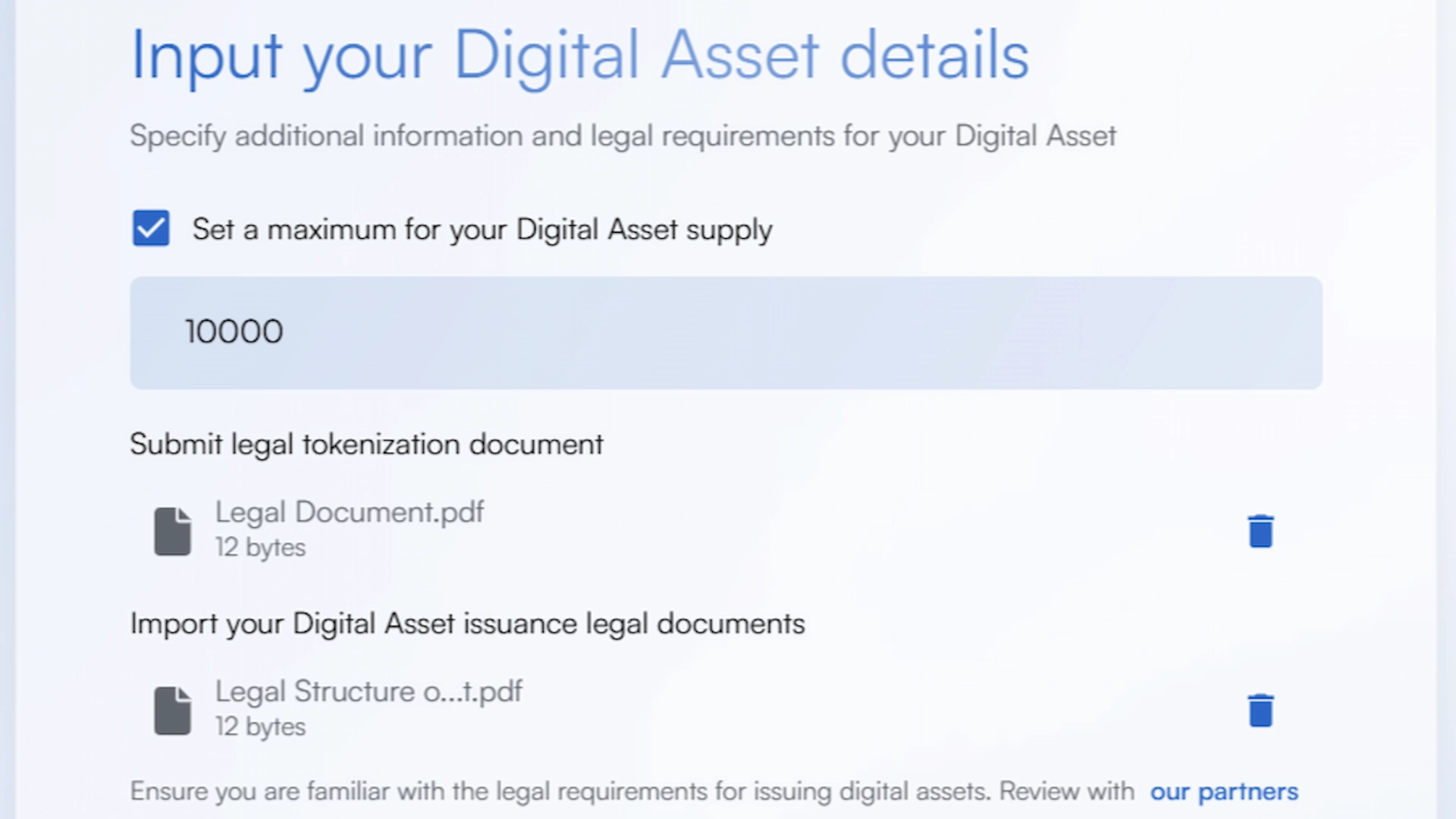
Digital asset store setup
Launch your custom investor portal. Define your project's identity and prepare your digital environment.
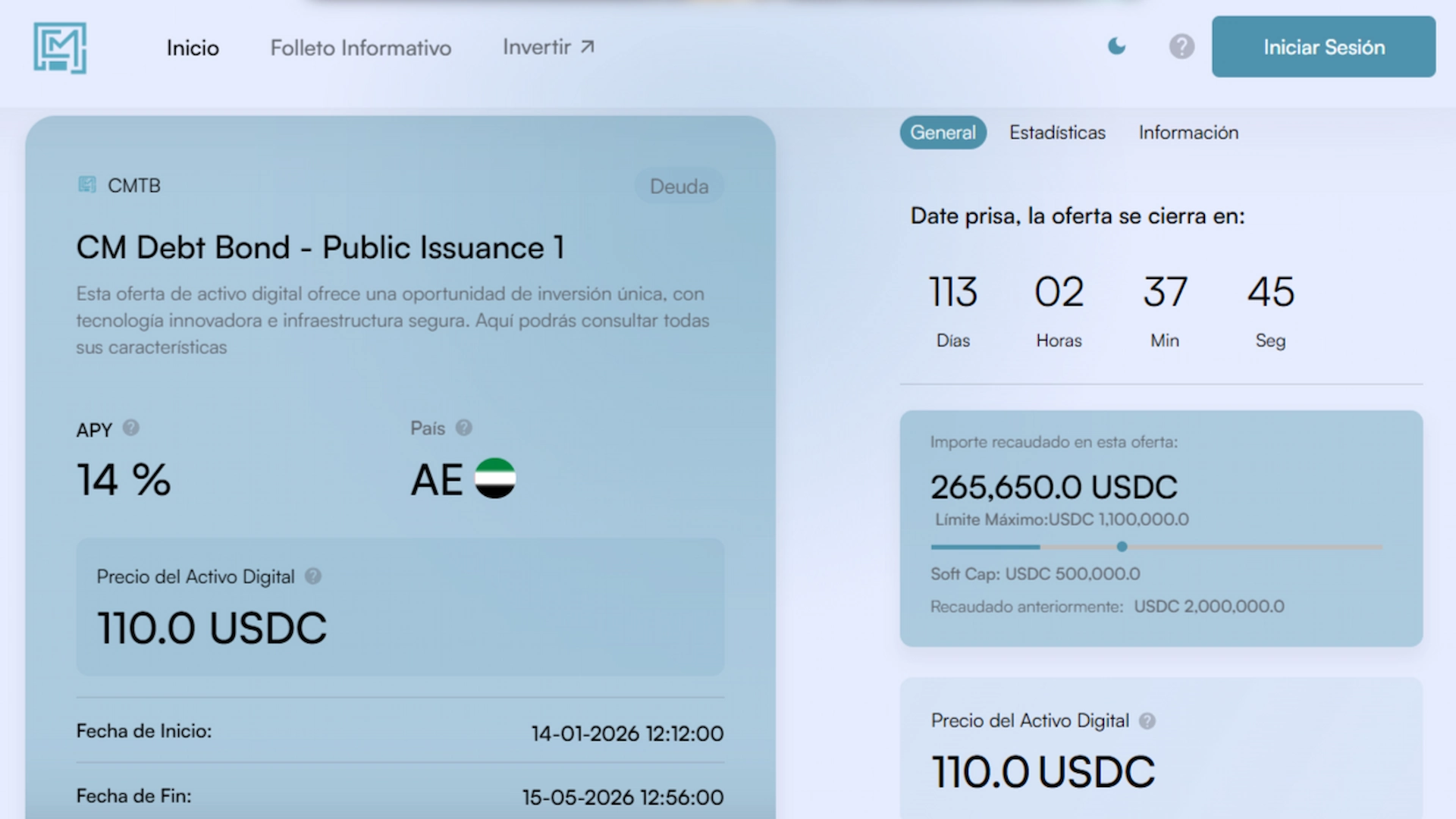
Offering launch
Go live. Onboard investors and manage your initial token offering through a single dashboard.
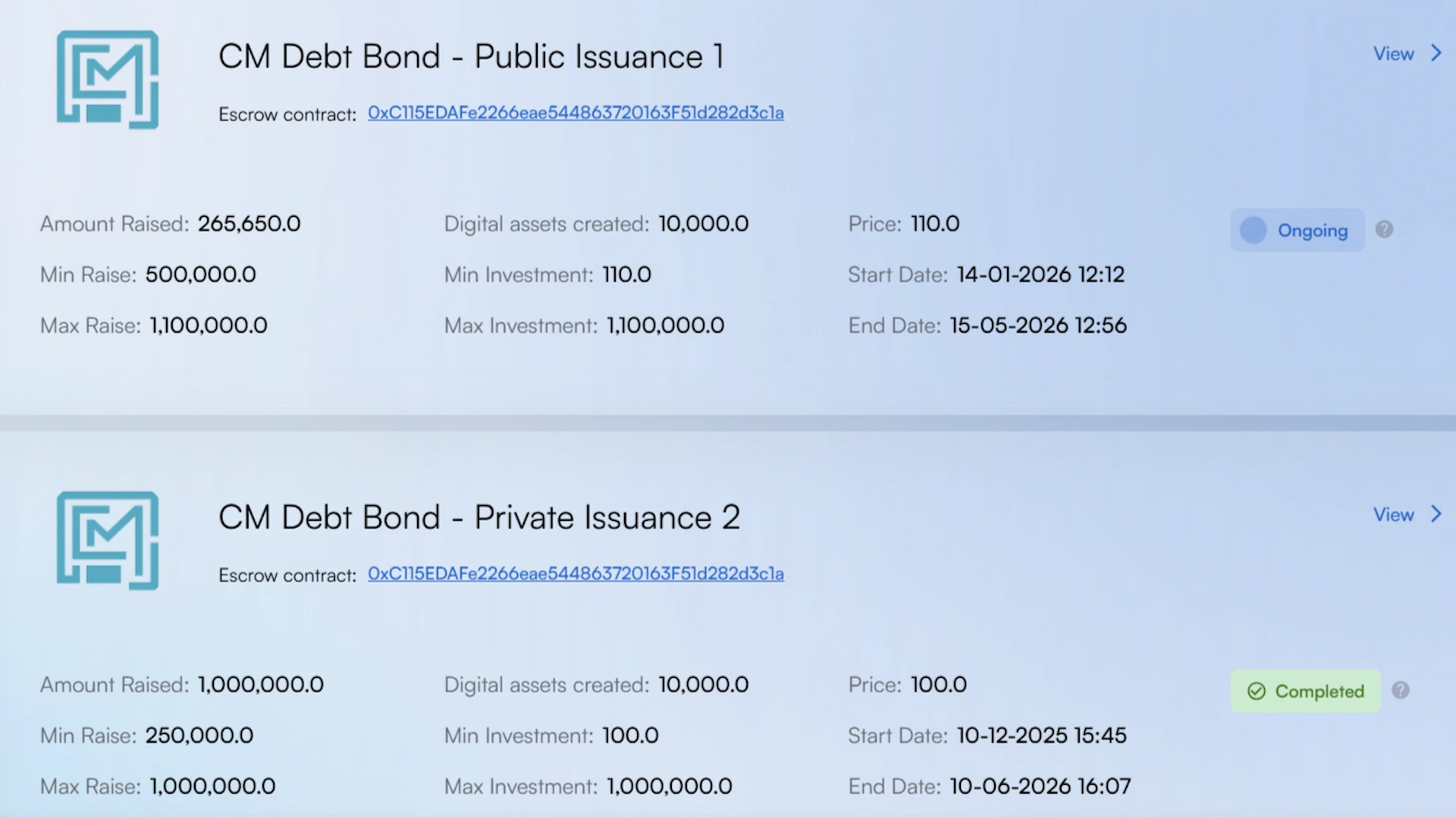
Brickken in numbers
Infrastructure for institutions
Institutions require infrastructure that supports compliance, automation, and growth. Brickken offers
See the full capability set of the institutional-grade tokenization platform.
Compliance-supporting workflows
Identity checks, permissions and investor records
Support from legal partners for jurisdiction-specific structuring
Regulatory requirements depend on the instrument, activity and jurisdiction
Actively participated in EU Blockchain Sandbox
Configured KYC/AML workflows
Explore solutions for your business
Financial institutions
Manage investor records and distributions for private equity, funds and debt. Configure identity checks and transfer permissions for the offering.


Frequently asked questions
Supported holder-event workflows can coordinate approved distributions. The responsible parties establish entitlements, amounts, dates, eligible holders, available funds and payment instructions. Execution depends on the instrument, approvals and configured payment route.
The process combines legal structuring with digital issuance, investor onboarding and lifecycle administration. The issuer and its advisers first establish the instrument, underlying rights and applicable requirements. Brickken’s asset tokenization platform then supports the configured issuance, permissions, holder records and approved lifecycle workflows. Legal authorization, investor eligibility, payment and settlement remain distinct steps with their own requirements.
Brickken provides configured identity-check, permission, investor-record and reporting workflows that can support an issuer’s compliance processes. Applicable requirements depend on the instrument, activity and jurisdiction. The issuer and its advisers remain responsible for legal structuring, authorization and compliance decisions; use of the software does not establish compliance by itself.
A suitable project needs clearly documented rights, a defensible basis for valuation and a legal structure that connects the underlying asset or cash flows to the relevant instrument. The issuer must also establish the operational records, responsible parties and applicable requirements. Technology alone does not resolve disputed title, unreliable asset information or an unenforceable contractual structure.
Brickken integrates with Ethereum, Base, BNB Chain, Polygon, Humanity Protocol, MANTRA, ADI Chain and Taiko. Availability for a particular asset, module or transaction depends on the supported configuration and implementation; this list does not imply identical support across every network.